Gains Club Membership
Member-Exclusive Content
Welcome to the Gains Club! Check out my expert tips for working out, burning fat, and eating better.
This is where you’ll find the answers to FAQs on fitness and health. Check out the sections below!
Meal Plans
Fuel your gains with these macro-friendly meal plans. Each plan is packed with calorie-smart, high-protein meals and snacks.
Workout Plans
Get expert-designed gym plans every month to help you stay consistent, build strength, and crush your fitness goals.
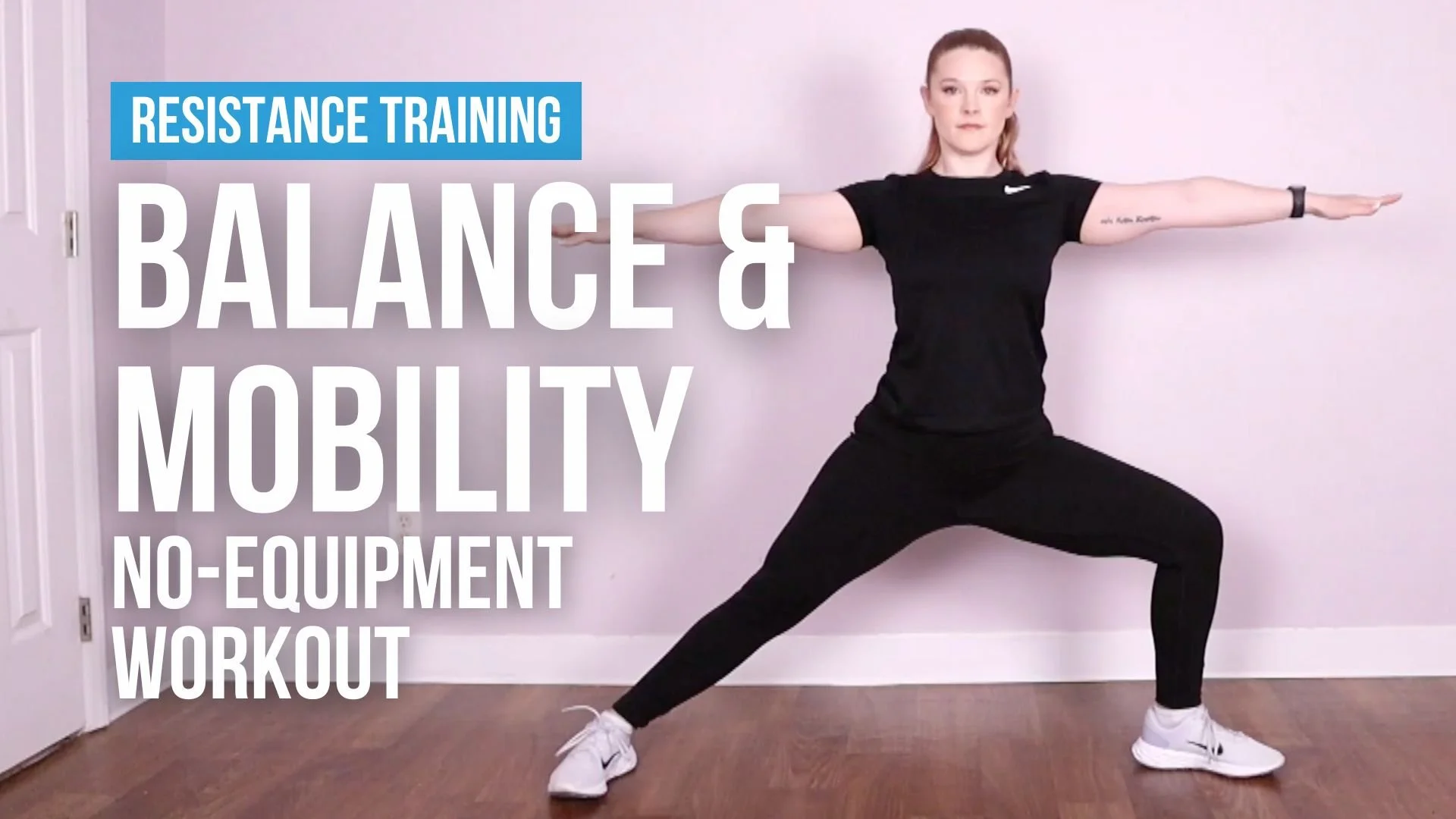
When most people think about building strength, they picture heavy weights and intense training sessions. But here's what often gets overlooked: your body's ability to stabilize itself is the foundation that makes all other strength gains possible.
Balance and stability training doesn't just help you stand on one leg or walk on uneven surfaces—it directly impacts your performance in the gym. When your stabilizer muscles are strong and your proprioception (your body's awareness of where it is in space) is sharp, you can lift heavier, move more efficiently, and significantly reduce your risk of injury.
Think of it this way: you can't fire a cannon from a canoe. Building a stable base through balance work gives your body the solid platform it needs to generate real power.
Bodyweight training is one of the most underrated tools in fitness, especially when it comes to building this foundational strength. It allows you to work within your body's natural ranges of motion without the added stress of external loads, making it an ideal starting point whether you're new to exercise, returning after time off, or recovering from injury. These movements teach your body to work as a coordinated unit rather than isolated parts, which is exactly how you move in real life.
Plus, mastering bodyweight exercises builds the movement patterns, joint stability, and body awareness you'll need before progressing to more challenging training. It's not about the exercises being "easy"—it's about them being smart, sustainable, and setting you up for long-term success.
Check out the workout below, designed to build your balance and mobility from the ground up.
We'll start with core stability work to strengthen the muscles that keep your spine stable and your torso controlled—because balance starts in your center.
From there, we'll progress through increasingly challenging balance positions, moving from two-legged stances to staggered positions, lunges, and wide stances.
Each superset pairs strength-building exercises with stretches to help you develop both the stability and mobility you need for better movement.
By the end, you'll have worked your body through multiple planes of motion while building the foundational strength that transfers to everything else you do!

Get Ready to Get Strong 💪
Welcome back to Iron Gains! I’ve designed this program to help you build strength, move better, and increase your 1RM. In this block, we’ll continue to focus on building a strong base for your strength. The workouts in this program will help you strengthen your movement patterns, build muscle, and prepare your body for heavier loads in the following phases. Each month, I’ll post a new block of training here to the Gains Club membership.

Ready to sculpt your body and tone your muscles? Use this 4-Day routine to get your muscles burning!
Level: Intermediate (6+ months of resistance training)
Goal: Muscle-Building
Schedule: 4 Days (Upper/Lower Split)
Equipment: All Equipment (Machines, Weights, Bands)

Get Ready to Get Strong 💪
I’m so excited to invite you to join me for my brand-new Iron Gains program. I’ve designed this program to help you build strength, move better, and increase your 1RM.
Each month, I’ll post a new block of training here to the Gains Club membership.
During this first phase, you’ll focus on building a strong base for your strength. The workouts in this program will help you strengthen your movement patterns, build muscle, and prepare your body for heavier loads in the following phases.

Build muscle and move better with this 3-Day routine using resistance bands and bodyweight exercises.
Level: Beginner/Intermediate
Goal: Muscle-Building, Stability, Mobility
Schedule: 3 Days (Total Body)
Equipment:
Optional: exercise mat or yoga mat for the floor exercises to cushion your back and joints.
*This and the following are affiliate links.

One of the most annoying things to experience is tightness in the muscles. Most people experience tightness at some point in their lives, usually in the neck, back, hips, and hamstrings. If left unaddressed, tightness can lead to chronic pain in these areas or even worse: injury from a pulled muscle. So it’s super important to take care of the flexibility of our muscles with practices like stretching.
Whether you're an athlete, a casual gym-goer, or someone who simply wants to stay active, incorporating stretching into your workout routine can significantly improve your overall well-being.
Relax your muscles and improve your flexibility with this daily total body stretch routine 🧘♀️
Level: All Levels
Goal: Improve flexibility & mobility
Equipment: None (exercise mat or yoga mat optional)

Ready to sculpt your body and tone your muscles? Use this 4-Day routine to get your muscles burning!
Level: Intermediate (6+ months of resistance training)
Goal: Muscle-Building
Schedule: 4 Days (Upper/Lower Split)
Equipment: All Equipment (Machines, Weights, Bands)
Training Tips
Your go-to resource for more effective workouts!
Check out my expert advice, practical strategies, and in-depth training tips to help you maximize your gains.

A common mistake I see gymgoers make is speeding through reps at a quick pace, spending only 1 second on the eccentric and 1 second on the concentric phase. While there are certain phases of your training where moving quickly with explosive power is good (i.e., a power block), most of the time you should move at a slow, controlled pace. When it comes to resistance training, how you move matters just as much as how much you lift. If you’ve ever caught yourself rushing through a set or powering through reps just to get them done, you’re definitely leaving gains on the table. Slowing down your reps is the key to maximizing muscle growth, building strength, and minimizing your risk of injury. Let’s break down why you should be focusing on slow, controlled reps in your training — and how it will benefit your fitness goals.

Injuries can happen to anyone, no matter whether you’re a beginner to fitness or a seasoned athlete. While there are many things that we can do to reduce our risk of injury in the gym, there’s always a certain amount of risk that you may get injured. But don’t worry–you’re not going to lose all of your gains. And in many cases you actually can continue to train despite having an injury. Let’s take a look at the common types of injuries that exercisers sometimes experience. Then we’ll talk about ways to deal with these injuries and train around them.

As much emphasis as you place on what muscles you feel working during an exercise, put an equal focus on being aware of your breath. Effective breathing not only helps maintain stability and control but also maximizes performance and reduces the risk of injury. Let’s look at the 3 effective breathing techniques to use while lifting.

One of the most common questions in strength training is: "How much weight should I use, and how many reps should I do?" Doing resistance training effectively is a delicate balance of adding enough challenge to your muscles, but not so much that you sacrifice proper form (or put yourself at risk of injury). In today’s message, we’ll look in detail at how you can monitor your intensity while doing your resistance training exercises to maximize your gains while staying safe, using methods like RiR, RPE, and percentage 1RM.

Tightness in the muscles can be a real pain in the neck (literally).
Whether you work out or have stress, bad posture, or poor movement patterns, you probably have experienced tightness in your muscles at some point.
Tight muscles can be uncomfortable, limit your mobility, and even hinder your progress in the gym. Finding relief is key to keeping your body feeling and functioning at its best.
Here are my trainer tips on how to get relief from tight muscles and keep them from holding you back.

If you want a strong upper body, bench press is one of the best exercises to train. This compound exercise targets multiple muscle groups, including the pecs, delts, triceps as well as stabilizing muscles throughout your core and legs. In this post, I share my tips for fixing common errors with the bench press to perfect your technique, maximize your gains, and reduce your risk of injury.

What is the most intimidating weight-training exercise for you?
If you’re like many of my clients and followers, you probably answered: deadlifts!
You probably do this movement multiple times every day, regardless of whether you’re aware of it or not.
The deadlift is the movement of picking something up from the ground in a standing position.
Deadlifts are one of the more tricky exercises to master and perform safely. Most adults that I see have poor mobility and movement patterns, which puts them at risk of straining their backs whenever they pick something up from the ground (both in and outside the gym).
There are a lot of moving pieces involved in safely lifting weight from the ground—you have to keep your spine in alignment, monitor the degree of hip hinge to knee bend, engage the lats, and stay balanced, among other things.
Another thing that makes deadlifts difficult to master is the many variations. Some variations rely more on hinging the hips than bending the knees (e.g., Romanian Deadlifts and Conventional Deadlifts). Others incorporate more knee bending and a more upright posture (e.g., Sumo and Frog Stance).
Most people have a preferred variation according to their individual strengths, body shape (i.e., length of torso, arms, and leg bones), and individual preferences. However, it’s a good idea to master the correct technique of all deadlift variations for a well-rounded physique and mobility.
Let’s take a look at how to do one of the most common forms of the deadlift—the Romanian Deadlift. We’ll also troubleshoot some common errors with the technique so that you can practice the movement with perfect form.

Mastering the squat is super important for staying injury-free in the gym. It’s also one of the basic movements of the human body. Improving your squat technique can help you have better posture and move better in your everyday life.
Before adding any weight or resistance to the squat, make sure that your technique is spot on by checking your form against the tips below.

January is the perfect time to set your intention for what you want to do with your fitness in the coming year.
By the end of 2025, what do you want to achieve?
It’s important to get clear on your goals because that helps you to stay focused and motivated in your workouts and nutrition throughout the year. It also will allow you to craft a step-by-step plan for what to do every day, every week, and every month to move toward what you want to achieve.
The best way to set yourself up for success is to make your goal(s) SMART. SMART stands for:
Specific
Measurable
Attainable
Relevant
Time-Bound
Setting a SMART goal can help you get clear on what you want and turn your goals from dreams into action.

Developing a strong core is an essential part of building muscle and improving your physique. That’s why it’s important to include exercises like crunches, planks, torso twists, and back exercises in your weekly workout plan. In this post, we’ll go over why doing core training is so important for health and fitness. We’ll also cover some basic techniques you can use to strengthen and stabilize your core.

Let’s talk about how to get the most benefit from your resistance training workouts so you can build muscle and get strong 💪

Cardiovascular exercise (or “cardio” for short) is a style of training focused on getting your heart pumping for at least 10 minutes. This type of exercise improves the health of your heart & lungs, which deliver oxygen and nutrients to your body & brain.

Do you sometimes feel sore after your workouts? It’s totally normal! If you push your muscles close to failure in your resistance training (like you should), microscopic tears will form along the muscle fiber walls. These tears trigger an “inflammation cascade” that can lead to tenderness or tightness in the muscles.

During resistance training workouts, pay attention to how hard your muscles are working in every set of each exercise. This can also help you to judge whether or not you might need to use more or less resistance (i.e. weight).
Fat Loss Tips
Proven strategies, actionable tips, and expert insights to help you shed fat and achieve sustainable results.

Cutting calories doesn’t mean you have to completely overhaul your entire diet. You can make steady progress by making small tweaks to what you already eat—without having to change up your everyday meal plan too much. By simply cutting 250 calories from your daily diet, you can lose around ½ pound per week. By trimming out a little here and there, you can get into a calorie deficit without feeling deprived. Here are a few tweaks you can make in your everyday diet that you’ll barely notice!

If you’ve been in a fat loss phase for an extended period of time, you’ve probably experienced diet fatigue. When this happens, you might feel like you’re constantly running on low energy, fighting hunger, and seeing slower progress despite your efforts. Doing a refeed or diet break can help you to overcome this fatigue and get back on track. Used strategically, they can help you sustain fat loss, improve your training performance, and keep you feeling mentally and physically balanced. Let’s explore how and when to use refeeds and diet breaks to maximize your fat loss success.

In this blog post, I break down how to burn more calories through daily exercise to help with fat loss. The key thing to remember is that fat loss is all about being in a calorie deficit—burning more calories than you’re eating. Exercise is a great way to boost your calorie burn. Moving around throughout the day, setting a daily activity goal, and doing calorie-burning workouts like cardio and muscle-building can help you maintain and deepen your calorie deficit.

If the scale has stopped moving but your clothes are fitting better, you’re probably in a recomp—a phase where you’re losing fat and building muscle at the same time. Since muscle weighs more than fat, your body can become leaner and stronger without the scale changing much. This can be frustrating if you’ve relied on the scale to measure progress, but it doesn’t mean you’re not improving. Instead of focusing on your weight, look at other signs of progress like how you feel, how your clothes fit, and your strength gains. Check out the journaling guide in this post to help track your true progress!

Journaling is a powerful tool that can help you stay on track in your fat loss journey. A number of studies have shown that people who keep a food log and journal while working towards fat loss are more likely to reach their goals. In this post, I’ll show you how to keep a journal to stay accountable and motivated throughout your fat loss journey.

Let’s look at how to tackle a sweet tooth! In this post I cover some of the most common reasons why you might have cravings for sweet foods. I also give tips for satisfying your craving with foods that contain natural sugars and other nutrients that your body needs. The post includes over 20 recipes and helpful tips.

While losing weight in general can be a challenging process, belly fat can be especially stubborn and difficult to get rid of. In today’s message, we will discuss why belly fat is difficult to lose and I’ll provide some tips on how to get rid of it.

Are you ready to start your fat loss journey? Congratulations! 🙌
The first step to successfully burning fat and keeping it off for good is to understand how body fat works.
This will empower you to take control of how your body stores and burns fat.
There are also many ways that you can “hack” your system to get your body burning through its fat stores.
That’s what this blog is all about—empowering you with the knowledge and strategies you need to take control and achieve your fat loss goal.
Nutrition Tips
Fuel your body and support your fitness goals with weekly tips on healthy eating, meal planning, and meal prep strategies.
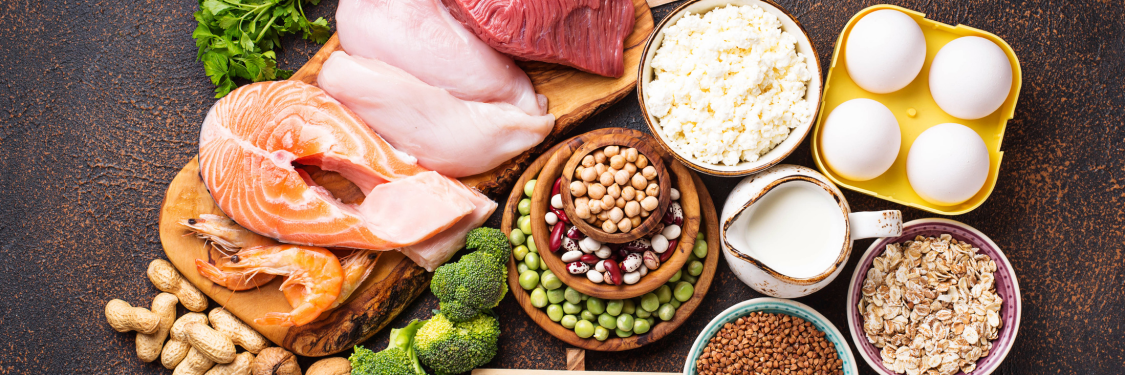
Protein is a crucial macronutrient that supports muscle growth, recovery, and overall health. Whether your goal is fat loss, muscle gain, or body recomposition, ensuring you hit your daily protein target can make a significant difference. In this post, we’ll look at 10 strategies that can help you reach your daily protein goal 💪
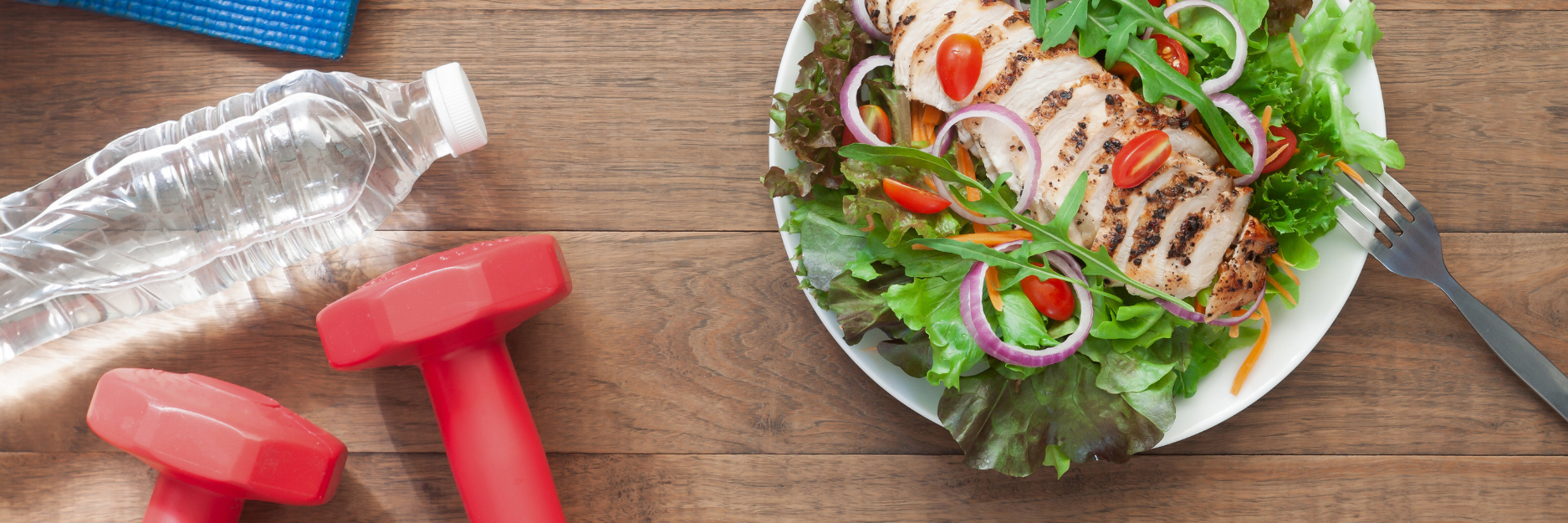
If you’ve ever struggled to build healthier eating habits, you’re not alone. Making changes to your diet can feel overwhelming—especially when you try to overhaul everything at once. But what if you could improve your eating habits without relying on motivation or willpower? That’s where habit stacking comes in. In this post, I’ll share how you can use this strategy to eat healthier.
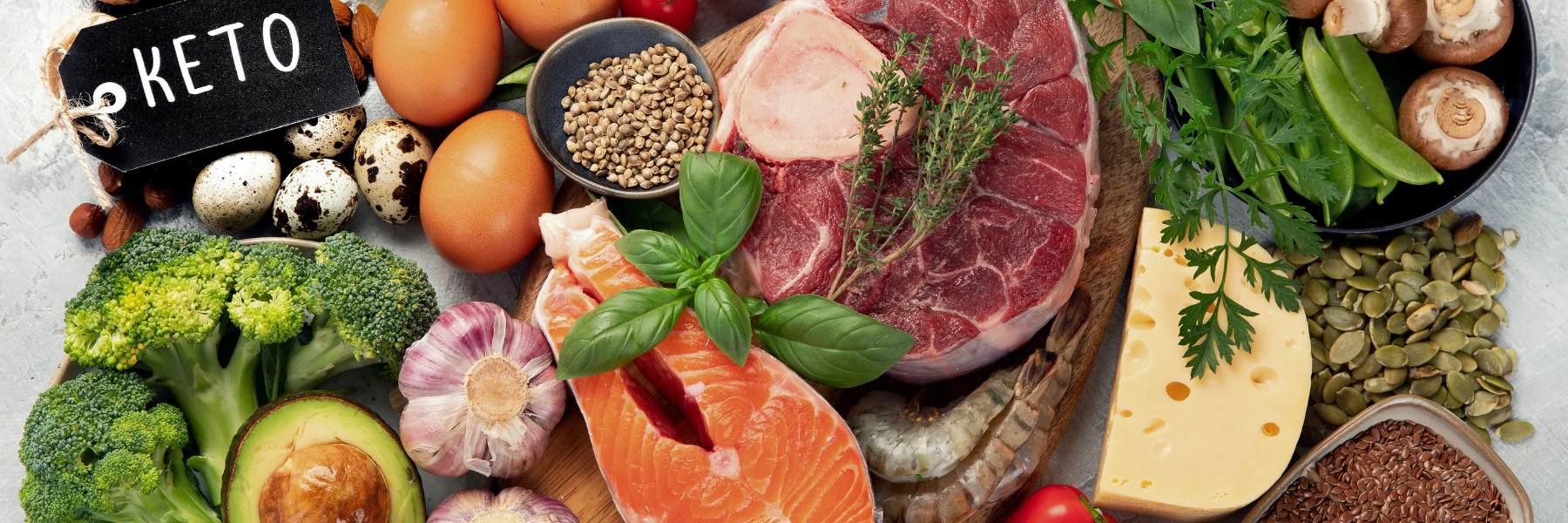
You’ve probably heard about a popular eating pattern called the Keto diet. This low-carb high-fat diet has been used for centuries to treat people with medical conditions like diabetes and epilepsy. These days, many people swear by it as an effective diet for managing fat loss. Let’s take a look at exactly what the keto diet is and whether or not it may be right for you.
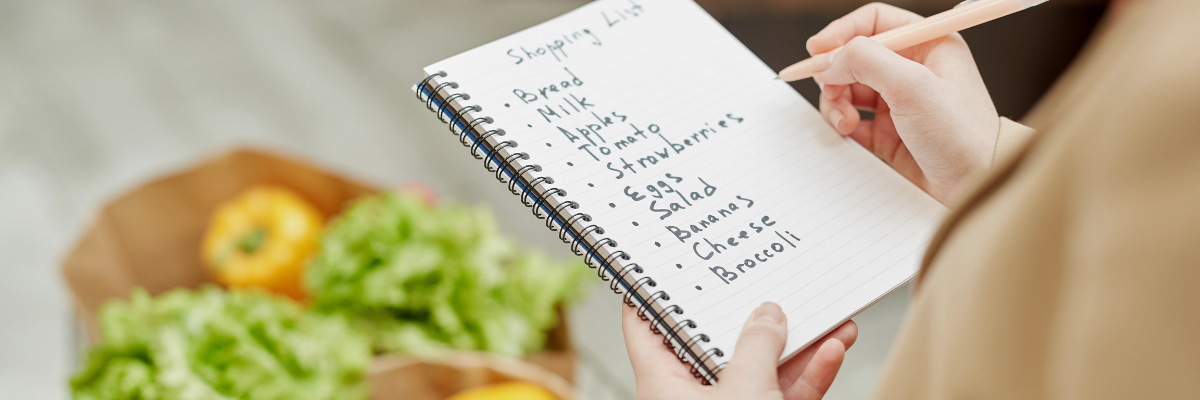
Can you still eat a healthy diet, even on a restricted budget? Absolutely! With a little up-front planning, you can save money without sacrificing nutrition. In this post, I share my top tips for saving money on healthy eating, including how to avoid being misled by food marketing labels, knowing your budget and planning your meals around it, how to save money at the grocery store, where to find the best prices on healthy foods like fresh produce, and assistance programs to bridge the gap.
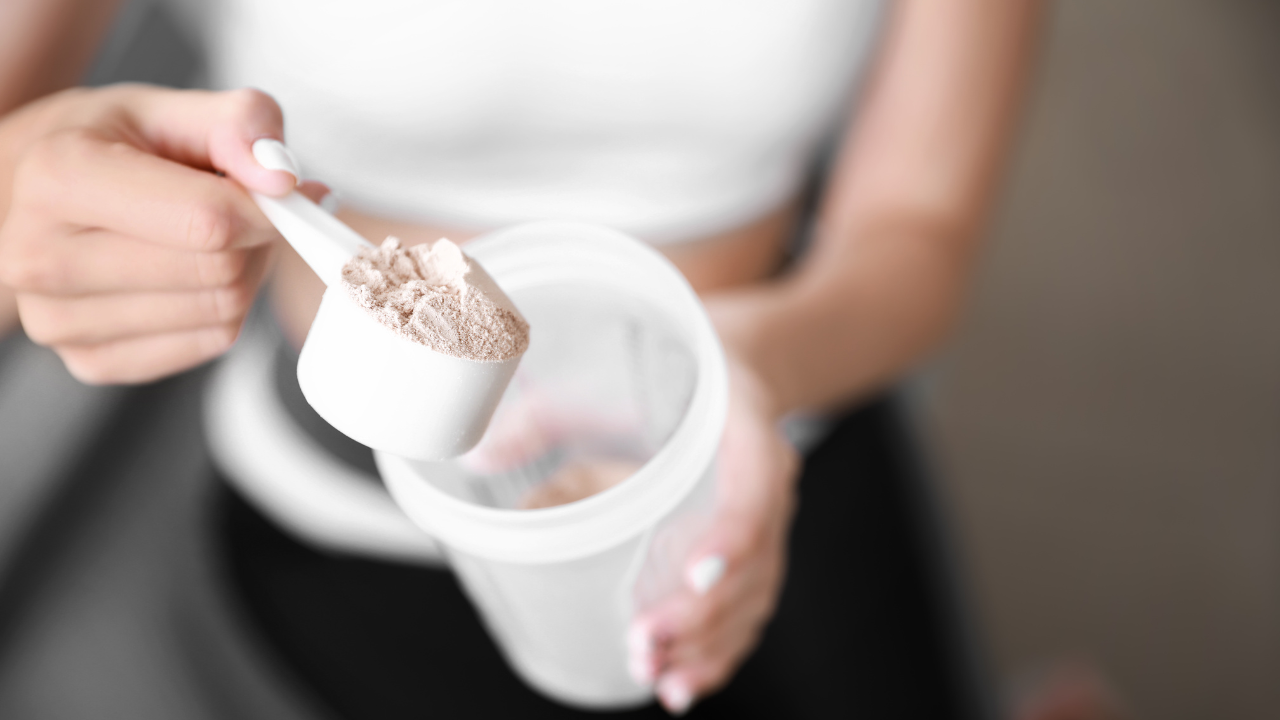
A great way to reach your daily protein goal is to add supplements to your diet. Many gym-goers use protein powder to beef up their daily protein intake. There are a lot of options on the market, so how do you go about selecting the protein powder that’s right for you? In this post, we’ll look at the things you should consider when finding the right supplement. I’ll also provide links to suggested products.
This post is sponsored by Legion Athletics. Use my promo code Jaydigains to get 20% off any purchase.
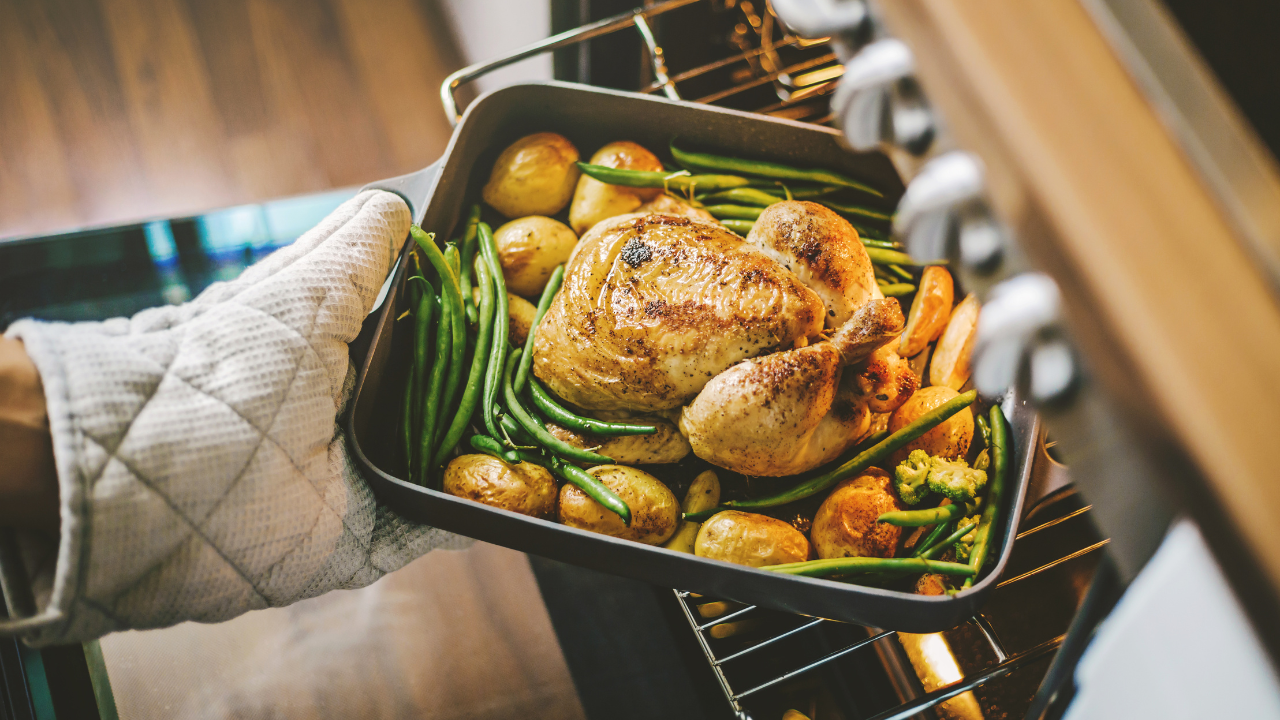
How you prepare your food is just as important as what food you eat.
Common methods of preparation such as deep-frying, sauteeing in lots of oil, and using heavy cream and butter-based sauces can have a negative impact on your calorie intake, heart health, and performance in the gym.
Let’s talk about some better ways to cook your food to preserve flavor & nutrients while meeting your daily calorie goals.
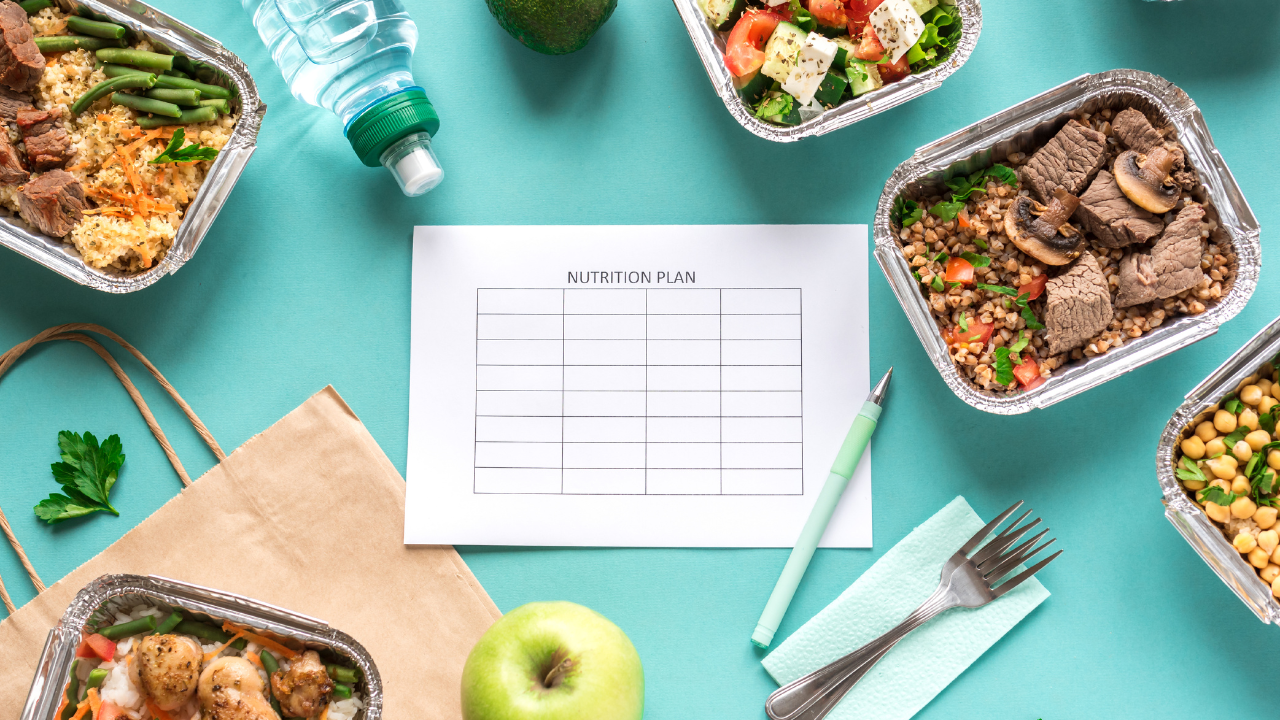
Planning your meals is a great way to ensure that you’re staying on track with your diet every day. In this post, I’ll show you my process for creating meal plans for myself and my clients.
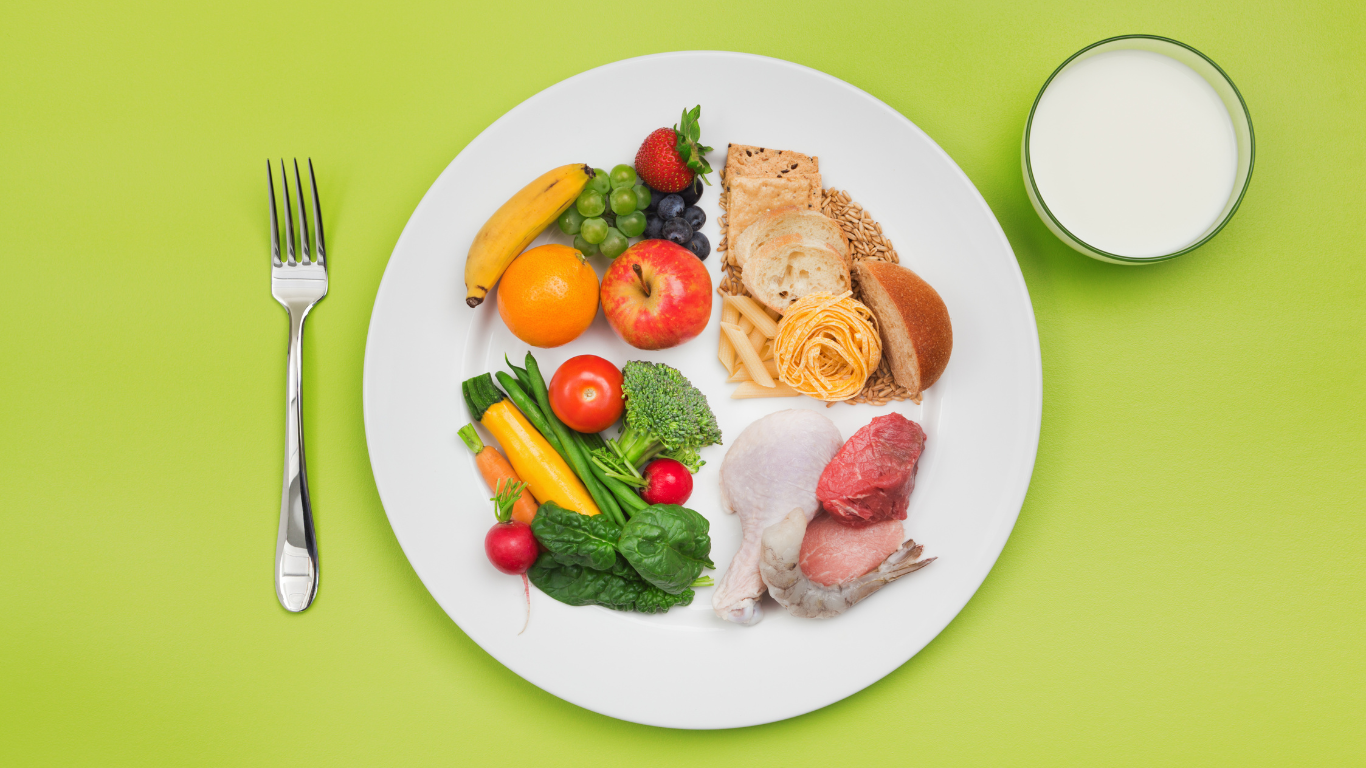
When I teach my clients to eat healthy, we focus first on eating a nutrient-dense diet. The easiest way to eat nutrient-dense foods and avoid empty calories is to follow what I call the Healthy Plate Model. This is a modified version of the USDA’s MyPlate model that was published in 2015, and it shows what your plate should generally look like at meal times.

Around the holidays, many of my clients worry about the impact of holiday treats on their fitness progress. Here are some of my tips for enjoying the holidays while staying healthy!

Calories are the way we measure the energy that we get from our food. If you’ve ever struggled to lose weight or build muscle despite eating healthy and exercising, it’s likely that you weren’t getting the right amount of calories in your diet. Let’s look at how to find the right amount of calories to eat every day to reach your fitness goals.
Recipes
Discover delicious, nutritious recipes each week to support your healthy eating goals.

You know those evenings when you're juggling a million things and the last thing you want is a pile of dishes? Or when you're trying to support your training but the idea of elaborate meal prep feels completely overwhelming? That's exactly where these recipes come in.
One-pot meals are a game-changer when you're focused on getting adequate protein without spending hours in the kitchen or cleaning up afterward. Each of these recipes delivers 30+ grams of protein per serving while keeping calories in a reasonable range – not because we're restricting, but because they're built around nutrient-dense whole foods that actually satisfy you.
Whether you're looking for something quick on a weeknight, meal prep options for the week ahead, or just want to simplify your cooking routine, these recipes prove that eating to support your goals doesn't have to be complicated. We've got options for meat-eaters, vegetarians, and vegans, because sustainable nutrition looks different for everyone.
Let's get cooking!
Recipe Preview:
Paprika & Garlic Chicken with Veggies
Braised Beef Brisket with Carrots, Leeks & Onions
Saucy Crustless Beef Pot Pie
Cheesy Baked Pumpkin Gnocchi (vegetarian)
Tempeh & Mixed Veggie Chilli (vegan)
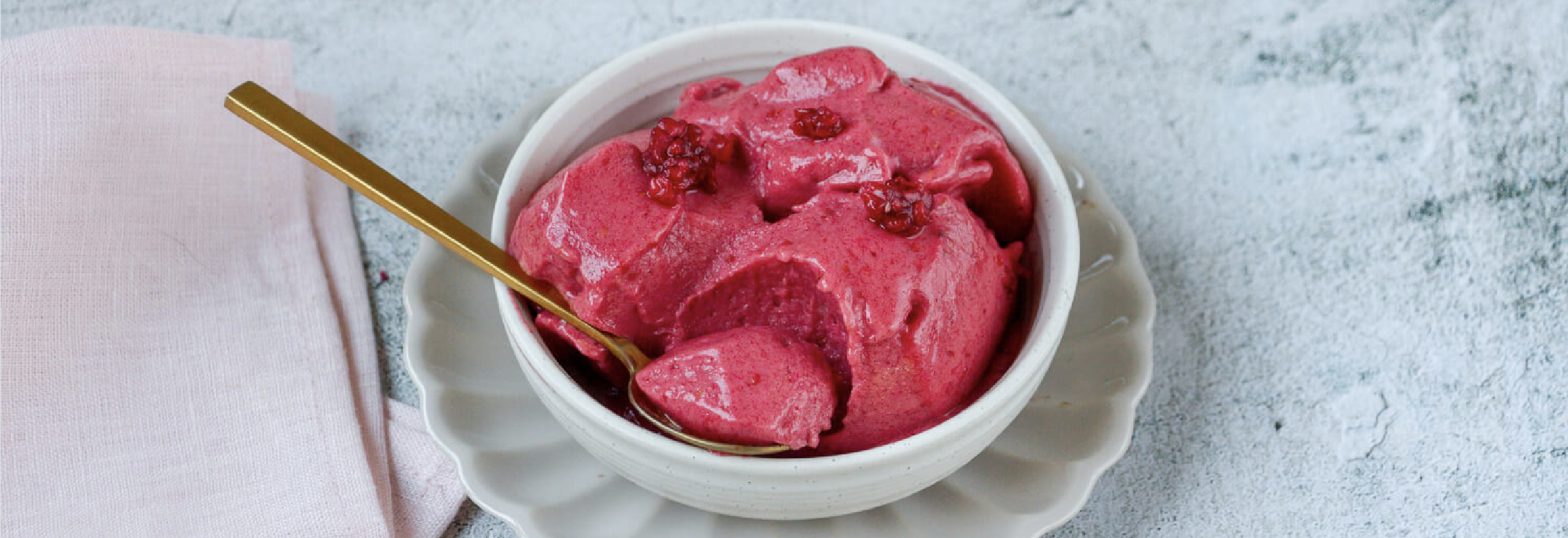
When it comes to hitting your fitness goals, a high-protein breakfast can set the tone for the rest of the day. Whether you're focused on building muscle, losing fat, or just staying energized, getting enough protein in the morning helps support muscle recovery, keeps you full longer, and stabilizes blood sugar levels.
But let’s be real—breakfast can get repetitive fast. That’s why I’ve put together five delicious, high-protein recipes to add variety to your mornings. From savory eggs to sweet and satisfying oats, these meals are packed with nutrients to keep you fueled and ready to take on the day.
Here’s what’s on the menu:
✔️ Cottage Cheese Scrambled Eggs with Tomatoes – A creamy, protein-packed twist on classic scrambled eggs.
✔️ Veggie Turmeric Omelette with Raspberries – A colorful, antioxidant-rich omelet paired with a touch of natural sweetness.
✔️ Creamy Chocolate Banana Smoothie – A dessert-like smoothie that delivers a serious protein boost.
✔️ Cherry Raspberry Overnight Oats – A make-ahead option loaded with fiber, protein, and delicious berry flavor.
✔️ Oat Bran Blueberry Pancakes – Fluffy, nutrient-dense pancakes perfect for a balanced breakfast.
These recipes are easy to make, packed with protein, and designed to help you stay on track with your nutrition. Let’s dive in!
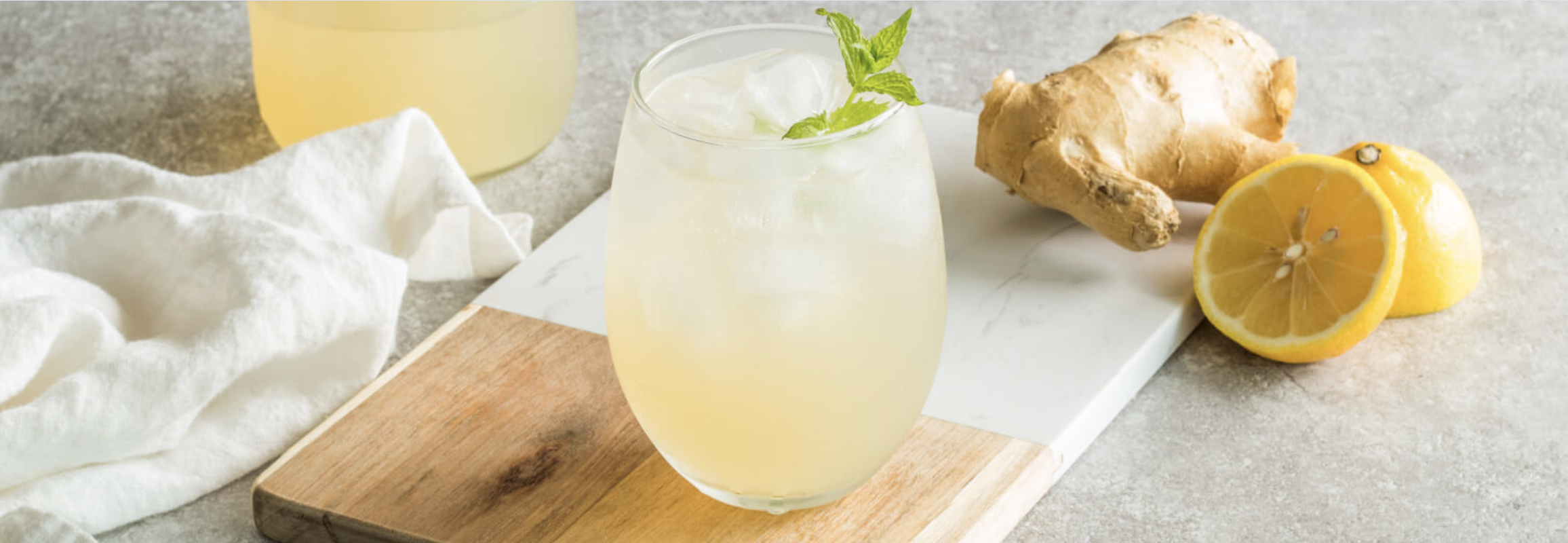
While the occasional drink can be enjoyable, frequent or excessive alcohol consumption can interfere with your fitness goals, recovery, and overall well-being. In this post, we’ll take a look at how cutting back on alcohol can benefit your health and fitness. I’ll provide some practical tips on how to reduce your intake, and I’ll also share nine delicious and healthy mocktail recipes to help you stay on track
Craving something sweet but don’t want to derail your progress? You don’t have to skip dessert to stay on track! Whether you’re cutting, maintaining, or just looking for lighter treats, these low-calorie desserts (all under 250 calories per serving) let you indulge without the guilt.
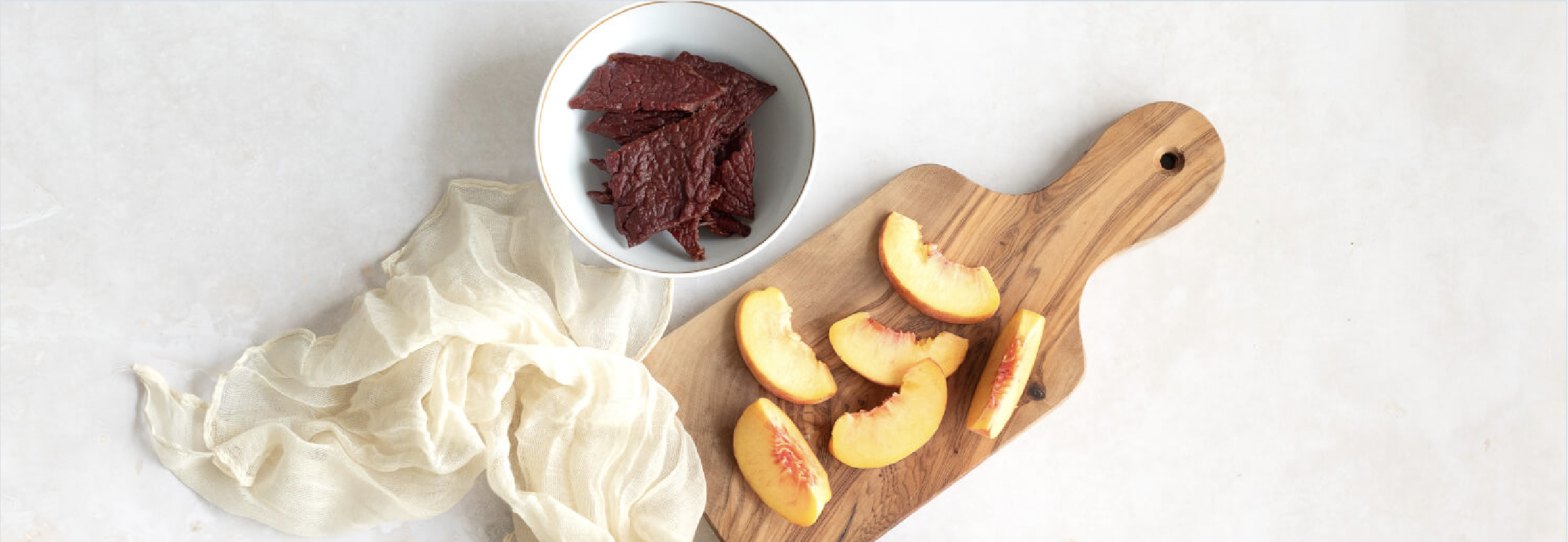
When hunger strikes between meals, reaching for the right snack can make all the difference—especially if you’re focused on fitness and body composition. A high-protein snack not only keeps cravings in check but also supports muscle repair, energy levels, and satiety, making it easier to stay on track with your goals. If you're looking for easy, protein-packed options that go beyond the typical protein bar, these five delicious snacks will keep you fueled and satisfied.
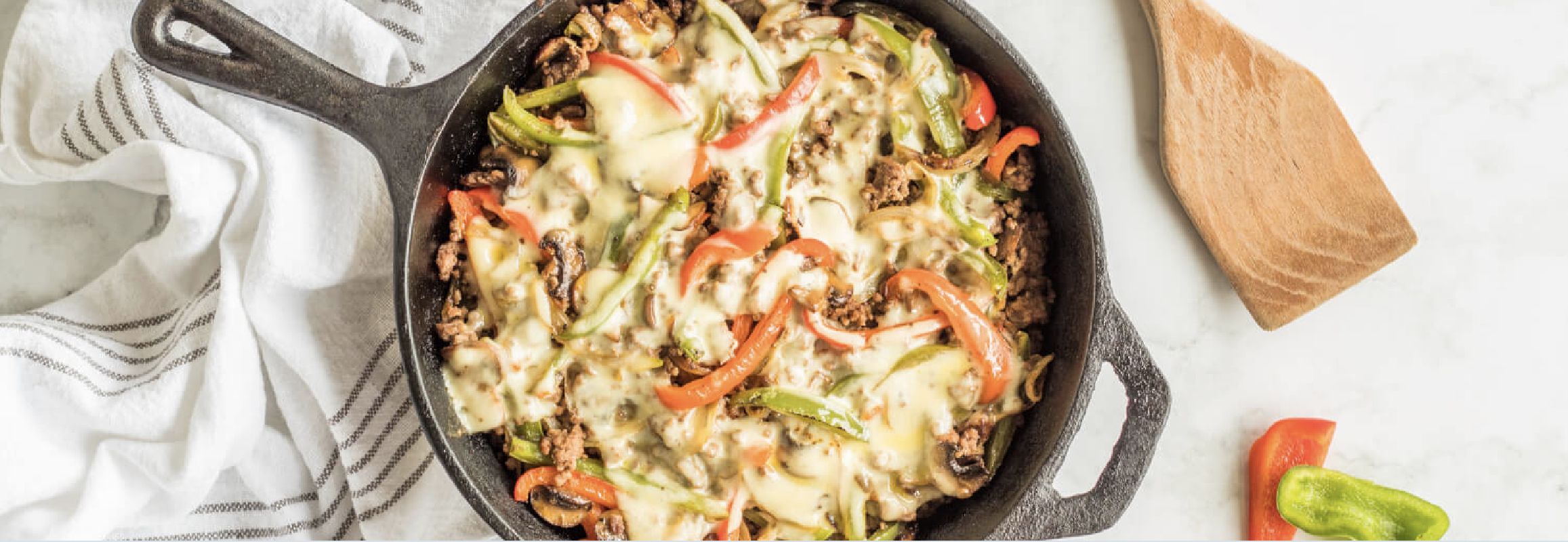
Meal prep doesn’t have to mean spending hours in the kitchen or creating a mountain of dishes. With the right recipes, you can make delicious, nutritious meals using just one pan—saving time, effort, and cleanup while still fueling your body for success. Whether you’re looking for protein-packed meals to support your fitness goals or simply want easy, balanced dishes to keep you on track during the week, these one-pan recipes will help you get the job done.
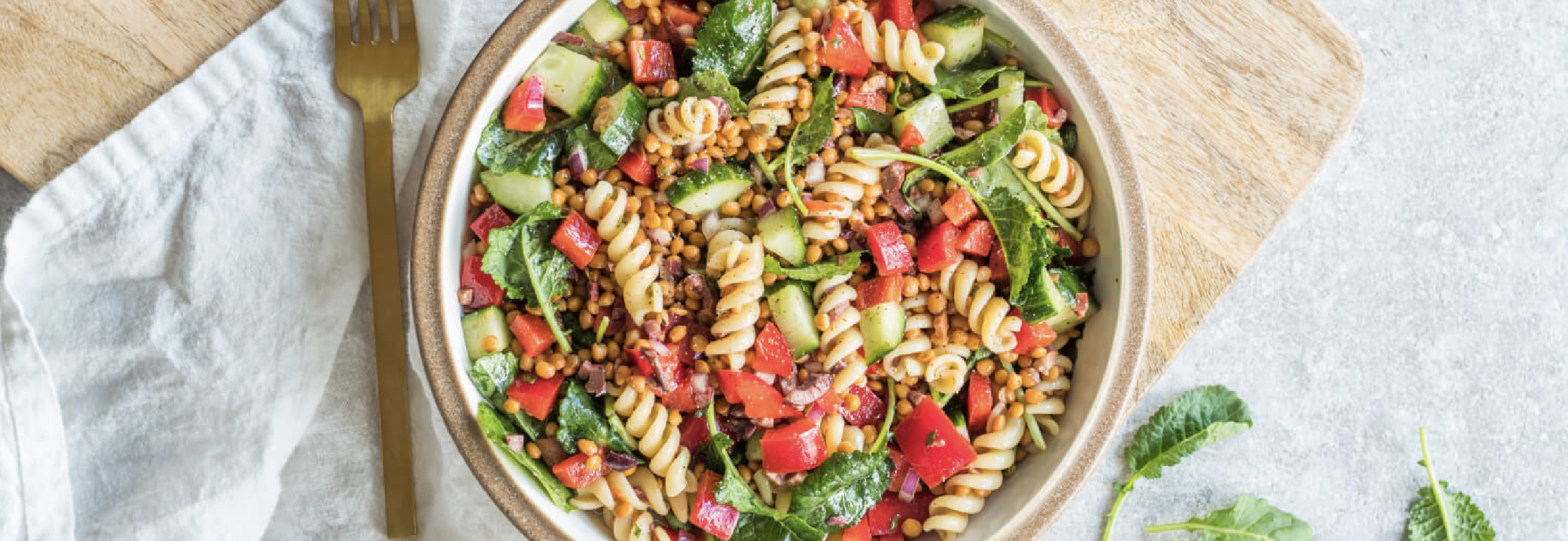
Whether you're an athlete, a weightlifter, or just someone looking to stay strong and energized, getting enough protein on a plant-based diet is essential. The good news? You don’t need animal products to build muscle and support recovery—there are plenty of plant-based protein sources that can help you hit your goals while keeping your meals delicious and satisfying.
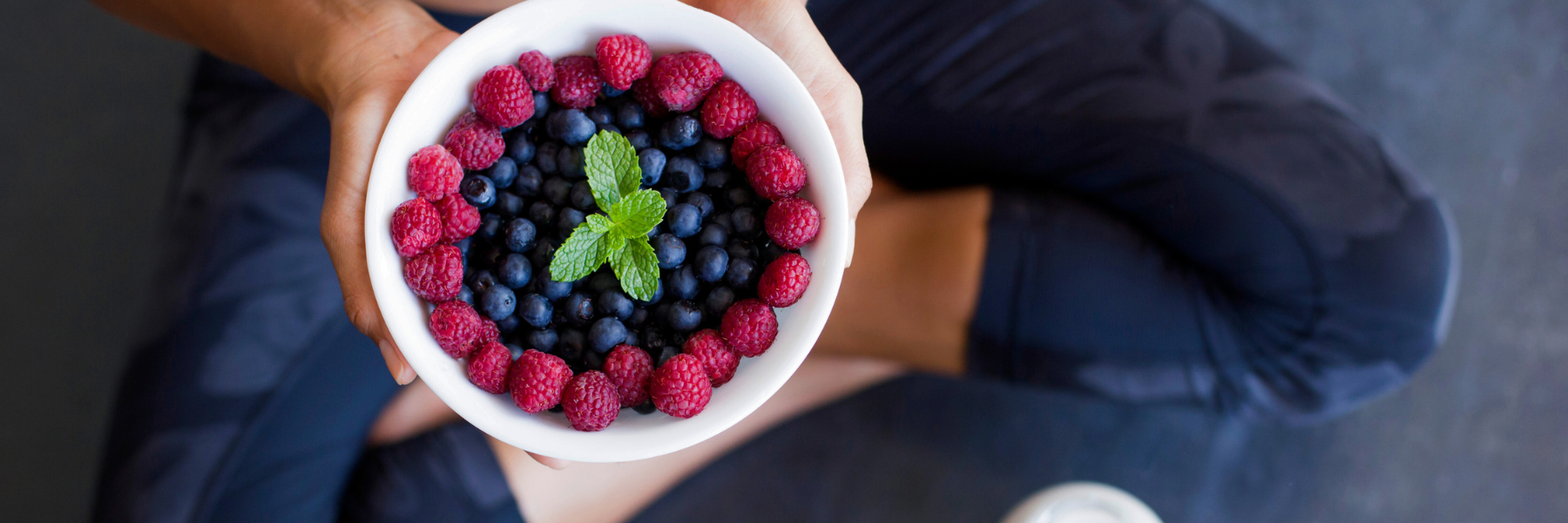
What you eat before your workouts can make a huge impact on how you feel and perform while training. Eating the wrong thing before you work out can cause you to feel sluggish or heavy. It can also cause stomach aches and nausea. Not eating before you train can likewise have negative effects on your energy and performance. So let’s take a look at how to avoid that by choosing the right foods before you train.
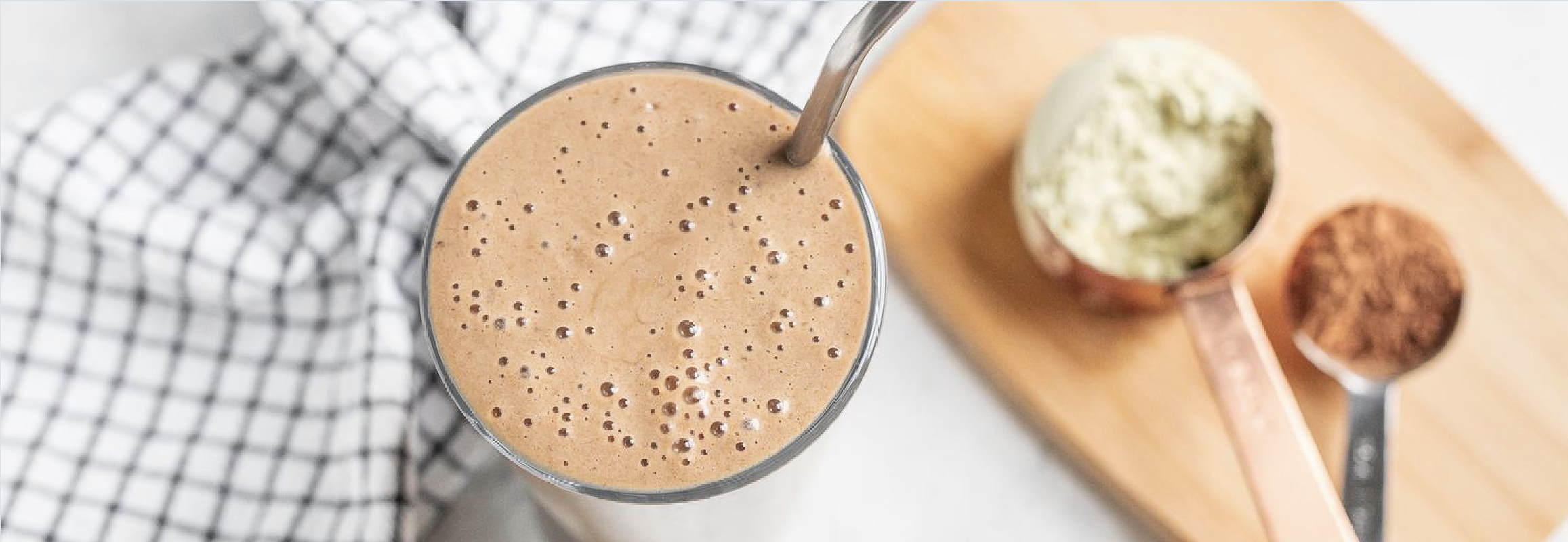
If you’re looking for a quick meal or snack that packs in a ton of flavor and nutrients, smoothies are the way to go! Smoothies are thick, creamy drinks made by puréeing fruit, fruit juice, veggies, nuts, yogurt, and other ingredients together. If you have trouble reaching your daily protein and fiber goals, smoothies can help by making these things easy to consume on-the-go. Many people enjoy smoothies for breakfast, as a snack between meals, or as a post-workout refuel. Try out these example smoothie recipes.
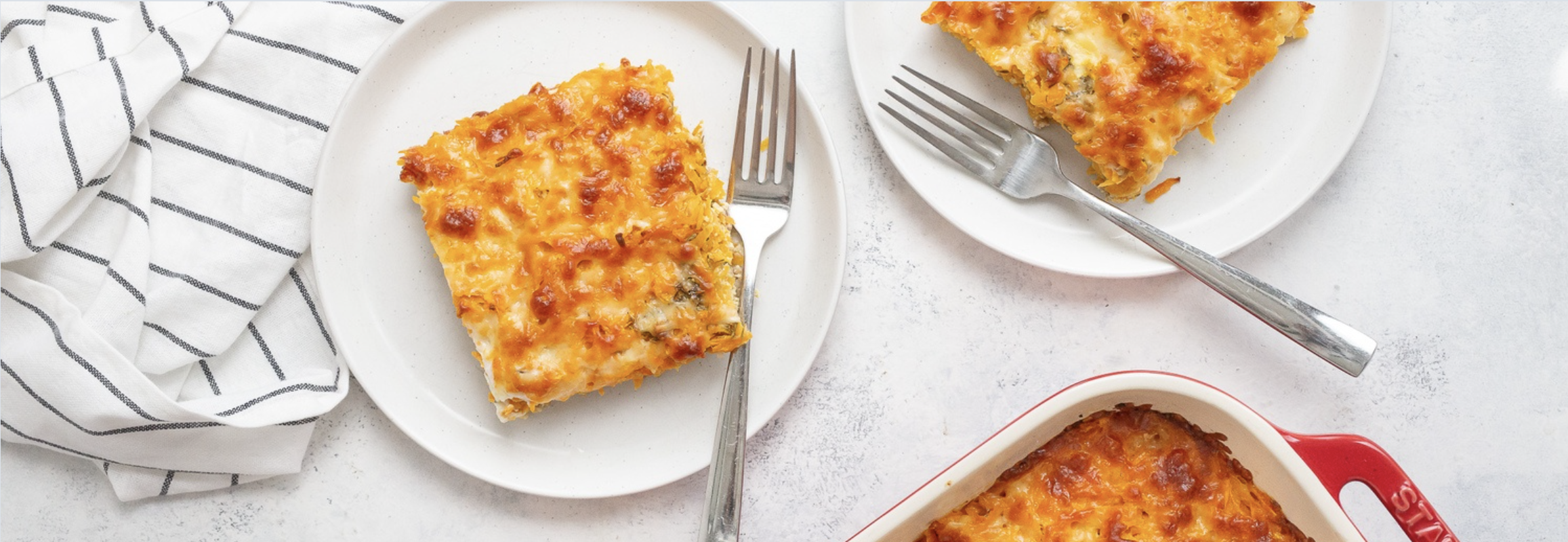
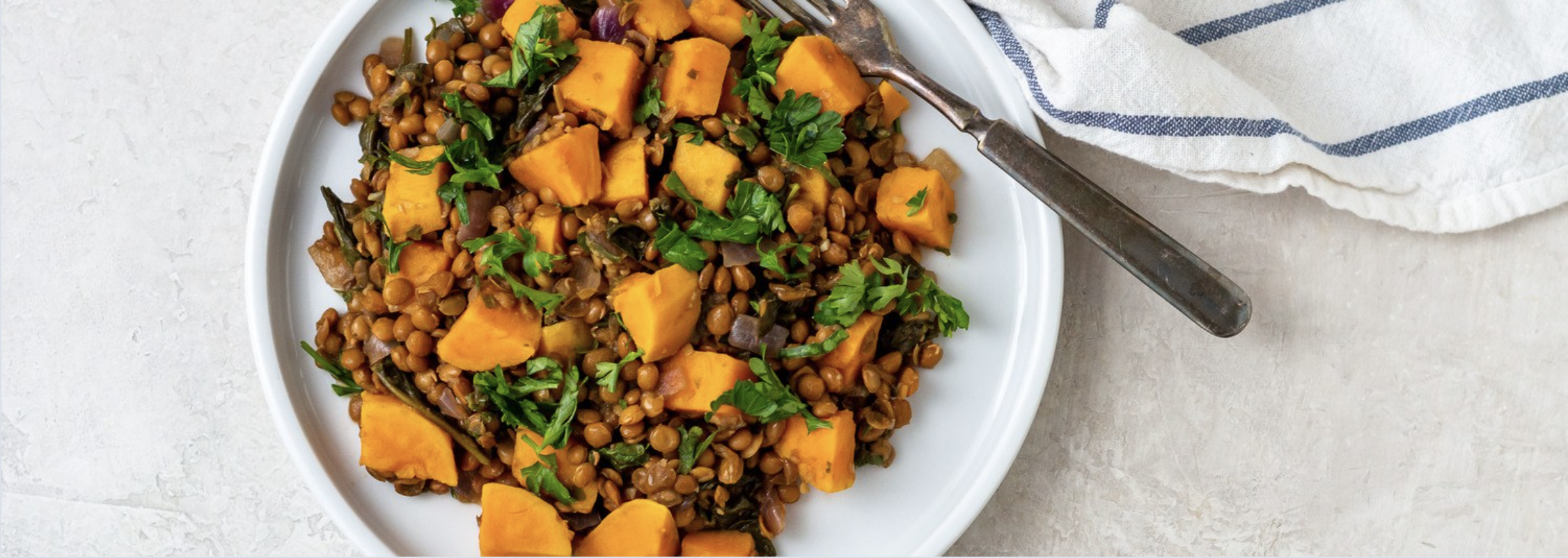
Casseroles are a great way to build a healthy plate at every meal. If you don’t like eating vegetables on their own, combining them with other foods in a casserole is a great way to sneak them into your diet! Use a casserole dish, Dutch oven, or some other deep, wide baking dish to prepare these example recipes.
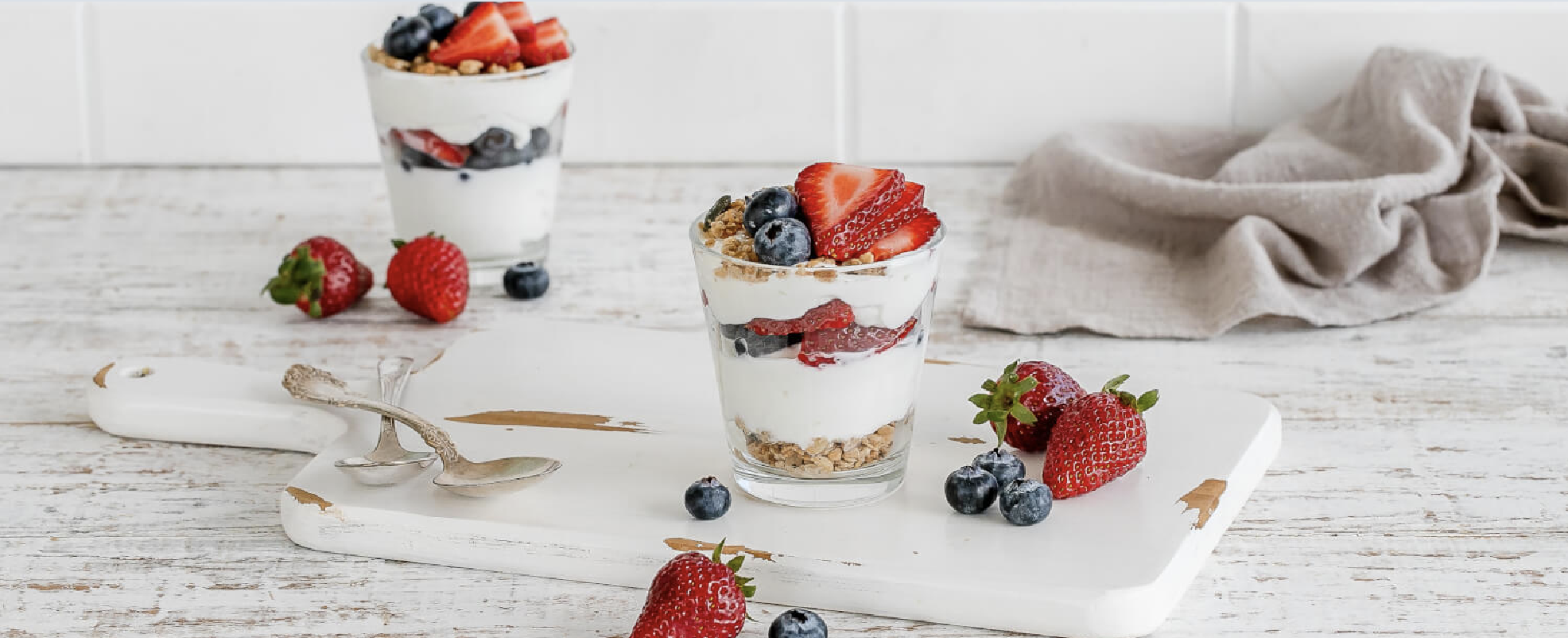
It can be hard to get a nutritious breakfast in the morning, especially during the busy work week. Yogurt and cottage cheese make easy grab-and-go breakfasts, especially if you prep the night before. These foods are protein-packed, but you can also mix in protein powder to beef up the protein content more. Add fruit, seeds, and natural sweeteners like honey to add more flavor. Check out the example recipes in this post!
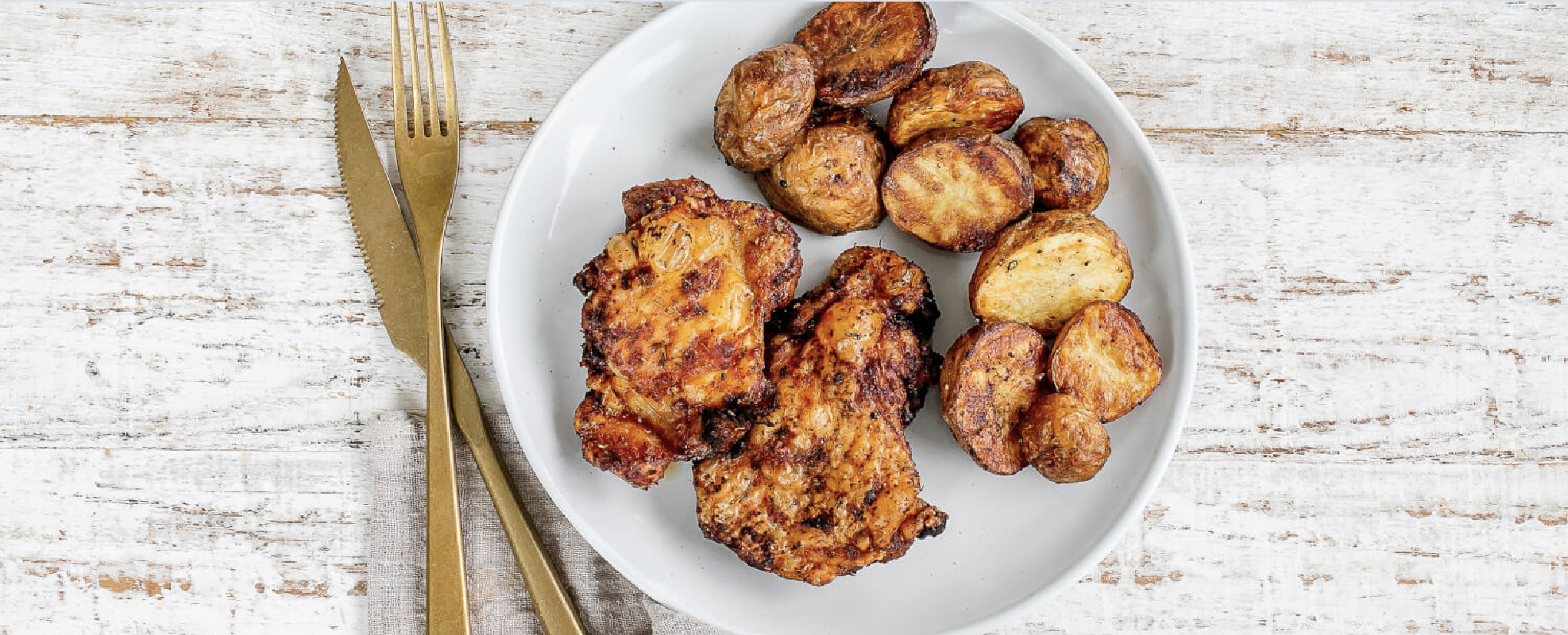
Want to enjoy your favorite fried foods with fewer calories? Using an air fryer is a great choice for achieving a similar texture and taste to deep frying while reducing the calorie and fat content of your meals. This is an excellent option for cooking items like French fries, chicken wings, or even vegetables, as it requires only a minimal amount of oil or can be used without any oil at all. Check out the example recipes in this post to make delicious, nutritious, low-calorie fried foods.
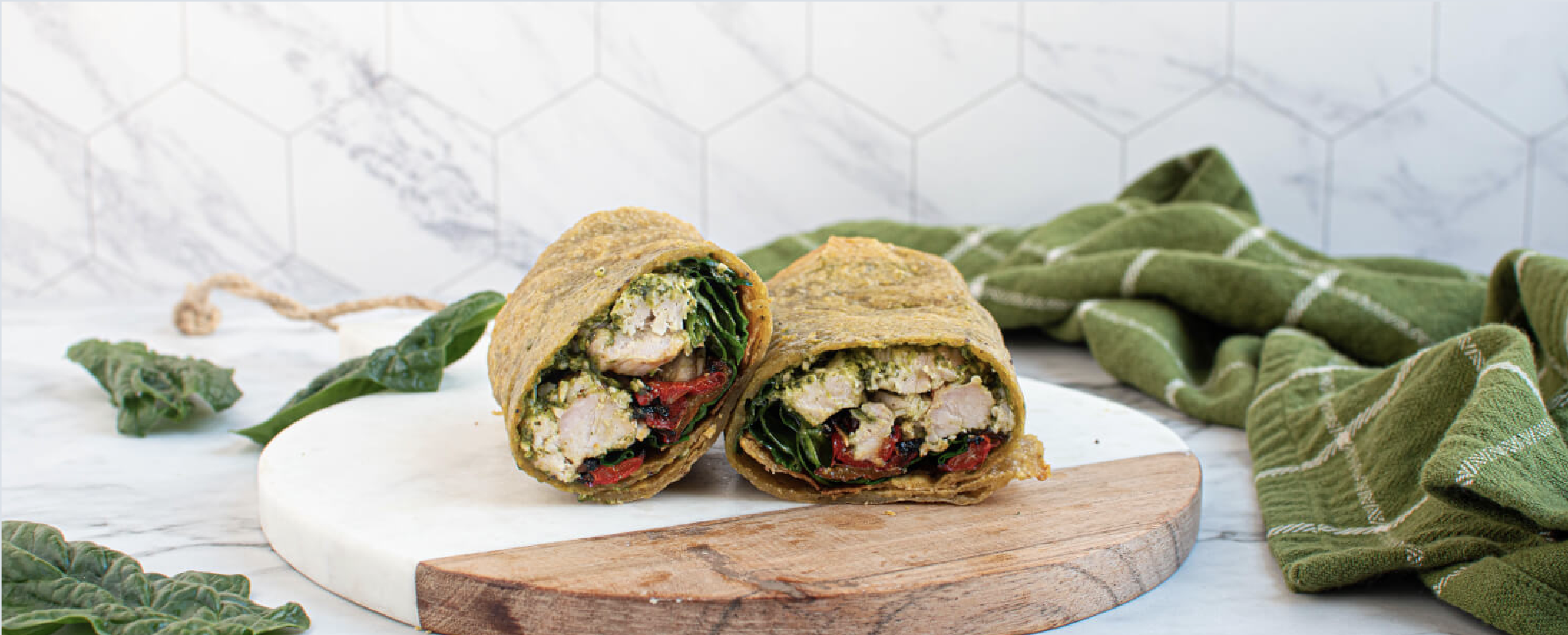
Sandwiches and wraps are great options for on-the-go nutrition. They are also super easy to prep in bulk ahead of time. Wraps can be enjoyed cold, so you don’t have to worry about warming them up before enjoying them. Check out the example recipes in this post!

Soups and stews don’t tend to require much time in the kitchen. They also often have large yields of as many as eight servings—making them a great option for meal prep. After making the initial batch, all you have to do is pop a serving in the microwave, and you’re ready to eat. Check out the recipes below in this post!

Check out these healthy alternative recipes for the holidays:
Chocolate Chip Cookies
Cinnamon Toast Crunch Pumpkin Seeds
Cinnamon Toasted Pecans
Crunchy Yogurt Clusters
Gingerbread Loaf
Gingerbread Oat Milk Latte
Gingerbread Protein Cookies
Pomegranate Yogurt Bark
Pumpkin Loaf
Slow Cooker Hot Chocolate

The average woman needs about 2000 calories a day and the average man needs about 2500 calories a day. If you eat 3 meals a day, that means each meal needs to be between about 660 and 830 calories. Check out the examples of healthy high-protein meals below that fit those ranges below:
Sausage & Sun Dried Tomato Penne
One Pan Steak, Potatoes & Broccoli
Green Curry Salmon & Rice (Pescatarian)
Macadamia Coconut Crusted Cod Rice Bowl (Pescatarian)
Peanut Tofu & Edamame Quinoa Bowl (Vegan / Vegetarian)
Peanut Maple Tempeh Bowl (Vegan / Vegetarian)
Veggie Pad Thai (Vegan / Vegetarian)
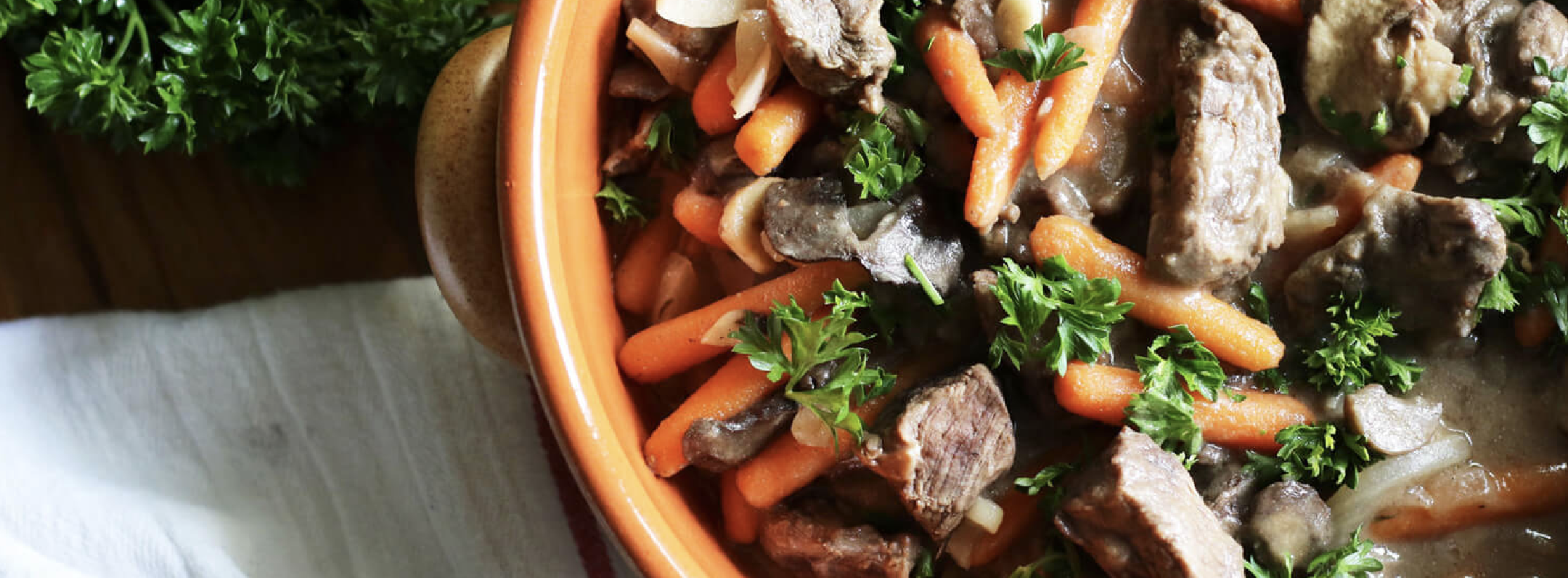
One of my favorite ways to save time in the kitchen is to use my slow cooker or crockpot. With minimal prep time, slow cooking allows me to make big batchesof entire meals that keep me fed with leftovers for days.
Check out the examples of healthy high-protein meals using the slow cooker:
Slow Cooker Beef Stew
Slow Cooker Chicken & Black Bean Taco Soup
Slow Cooker Enchilada Beans & Quinoa (Vegetarian)
Slow Cooker Rotisserie Chicken
Slow Cooker Sweet Potato Chili
Vegan Sloppy Joes (Vegan, Vegetarian)
This week's meal plan features:
Average Calories Per Day Total: 1,980
Average Protein Per Day Total: 140g
Recipes
Breakfasts:
Steak & Sweet Potato Egg Muffins
Lemony Yogurt & Ricotta Cups
Snacks:
Tuna Salad with Crackers & Bell Pepper
Turkey Pita & Veggies Box
Lunches & Dinners:
Beef & Potato Casserole
Creamy Sun Dried Tomato Chicken
Chicken Tikka Naan Wraps