How to Eat a Plant-Based Diet
“Plant-based” is a term that has gained popularity in recent years. You can see it on food labels for a variety of food products, and you might also hear people say “I eat a plant-based diet.” 💪
In today’s message, we’ll take a look at what it means to eat a plant-based diet, as well as the benefits that this diet pattern can have for your health, fat loss, and muscle gains.
What is a Plant-Based Diet?
One place you might see “plant-based” appear is at the grocery store: many food manufacturers use the label “plant-based” to describe vegetarian and vegan replacements for meat and dairy products.
You might also hear someone say that they eat a plant-based diet, which can mean a couple of different things:
Some people who follow a vegan diet pattern might call their diets “plant-based” because everything they eat essentially comes from plants. Vegetables, fruits, grains, nuts, and seeds are all plant-derived foods, which make up the entirety of the vegan diet.
A person who follows a vegetarian diet might also call their eating pattern plant-based because the majority of what they eat comes from plant products (in addition to dairy products and eggs).
Even some omnivores (people who eat all kinds of foods—including animal products like meat, fish, dairy, and eggs) as well as plant products might call their diet “plant-based” if the majority of their food intake every day comes from vegetables, fruits, grains, nuts, and seeds.
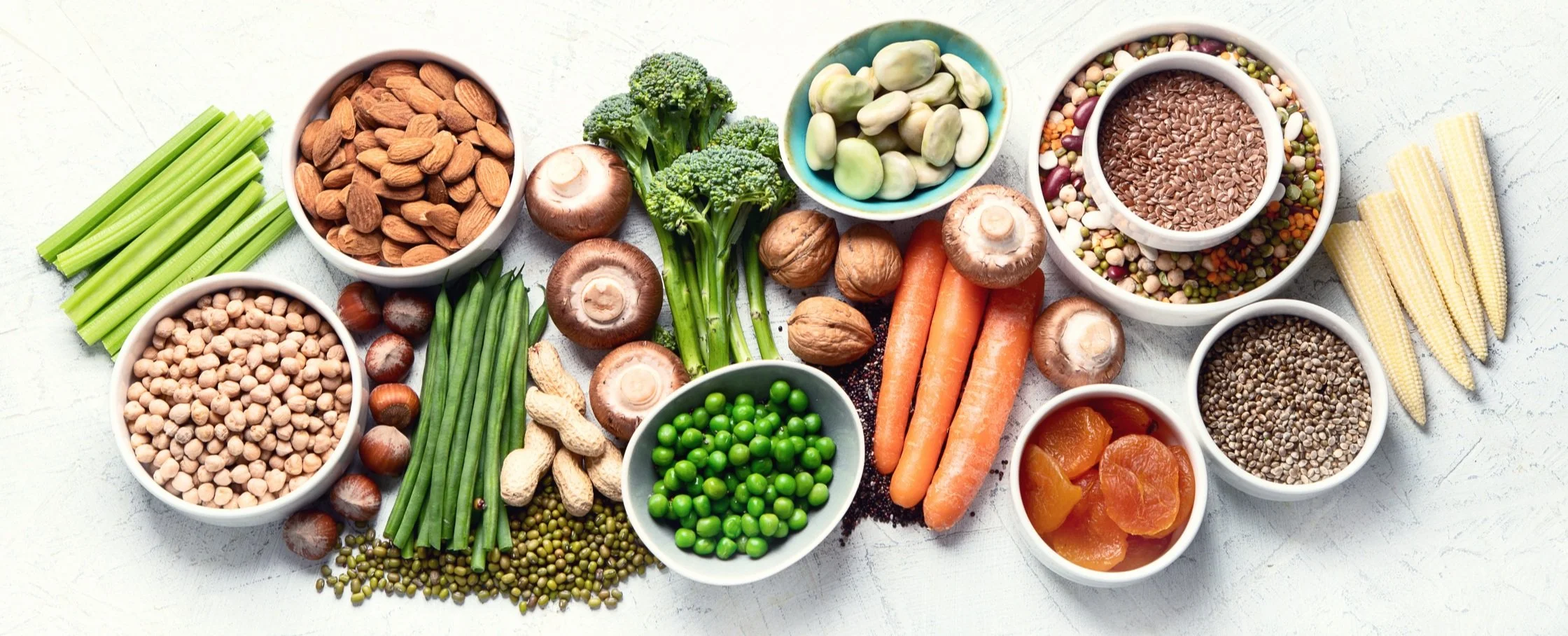
Regardless of dietary preferences and restrictions, anyone can call their eating pattern a “plant-based” diet—so long as the emphasis of that diet is getting the majority if not all of their nutrition from plant products—namely, vegetables, fruit, grains, nuts, and seeds.
If you’re following the Healthy Plate model, you’ll notice that the majority of the food that you eat should come from plant products:
To follow the Healthy Plate model, fill up half of your plate at each meal with 2 servings of vegetables (or 1 serving of vegetables and 1 serving of fruit). On the other side of your plate, fill one-quarter of the plate with either a grain or a starchy vegetable. Finally, in the remaining quarter of the plate, you should include a lean source of protein.
Benefits of Plant-Based Diet
Let’s take a look at how including plant-based foods in your everyday diet can benefit your fitness and overall health.
1. High Nutrient Density:
Foods like vegetables, fruits, grains, nuts, and seeds are packed with a wide range of vitamins, minerals, antioxidants, and dietary fiber. These nutrients are not only vital for overall health but also play a crucial role in supporting your fitness. Nutrient-dense foods help regulate your metabolism, support cellular function, and optimize energy levels. This ensures that you're body is operating in ship-shape during your workouts and throughout the day.
2. Sustained Energy Levels:
Plant-based foods are also a great source of complex carbohydrates, which release energy slowly and steadily. This helps to prevent spikes and dips in blood sugar that lead to energy crashes. Eating plenty of complex carbohydrates in your diet will allow you to maintain more consistent energy levels throughout the day—which will help you to perform and recover from your workouts more effectively.
3. Antioxidants for Recovery:
Eating plenty of plant-based foods is a great way to combat inflammation, thanks to the rich levels of antioxidants in these foods. Antioxidants combat oxidative stress, which will help you to recover better and experience less muscle soreness. Incorporating a variety of colorful fruits and vegetables ensures a wide spectrum of antioxidants to support your fitness journey.
4. Healthy Fats for Hormonal Balance:
Keep in mind that hormonal balance is also critical for both fat loss and muscle building. Foods like nuts, seeds, avocados, and certain oils provide your body with the unsaturated fats it needs to regulate your hormones while keeping your blood cholesterol levels healthy.
5. Fiber for Digestive Health:
A well-functioning digestive system is also essential for nutrient absorption, waste elimination, and overall well-being. Fiber-rich foods like vegetables, fruits, and whole grains aid in digestion and promote a healthy gut. Moreover, foods high in fiber tend to be more filling, which can support weight management by curbing overeating.
6. Essential Protein Intake:
Don’t forget that your muscles are made of protein. So in order to build muscle and get stronger, you’ll need to either eat plenty of protein or give your body the essential amino acids it needs for protein muscle synthesis. Eating a variety of plant products every day can help ensure your body gets plenty of protein and amino acids. Plant foods that are rich in protein and amino acids include legumes (beans, lentils, peas), nuts, seeds, and whole grains (quinoa, oats, whole wheat).
Plant-Based Meals
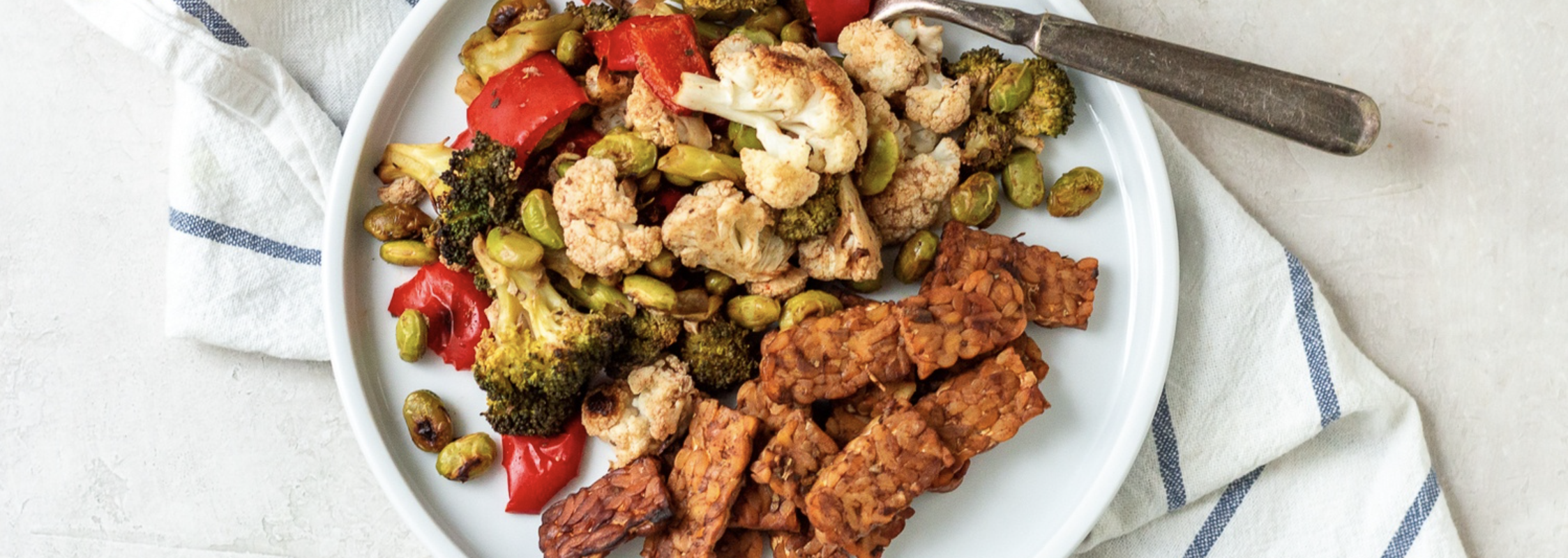
You can increase the amount of plant-based foods in your diet simply by following the Healthy Plate model above. If you’d like more specific examples, check out the list of example recipes below for dishes that are 100% plant-based. These recipes are great main dishes, snacks, or side dishes.
Plant-Based Breakfasts
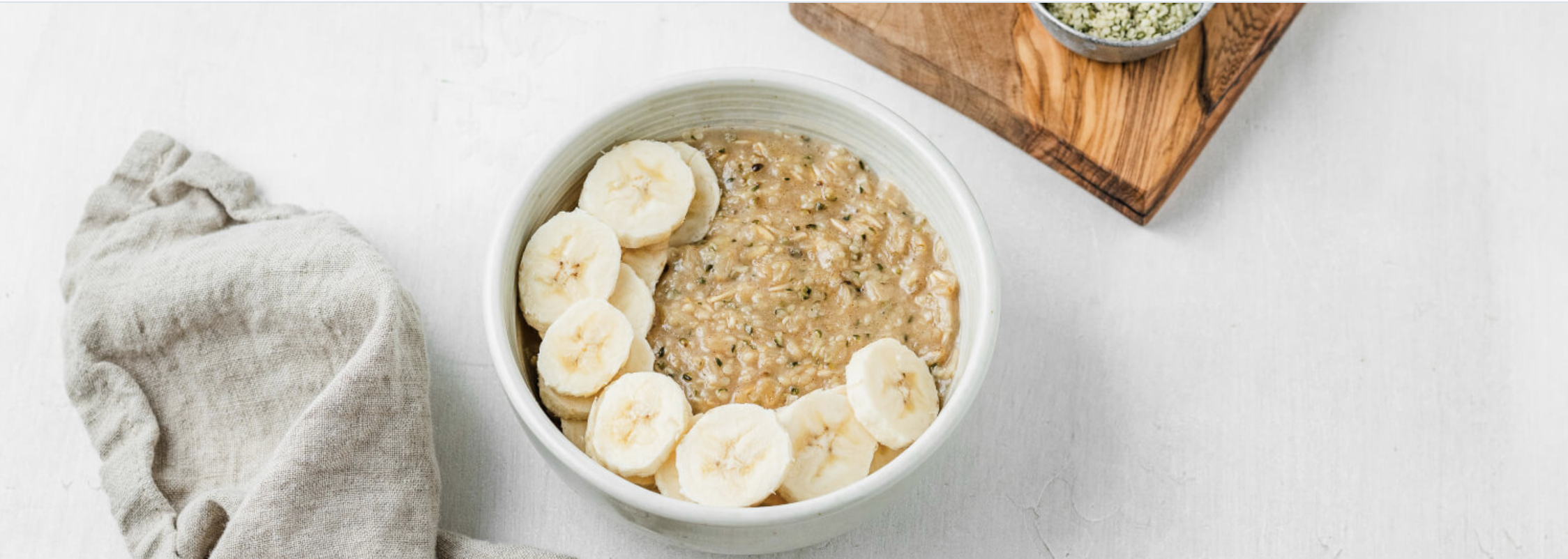
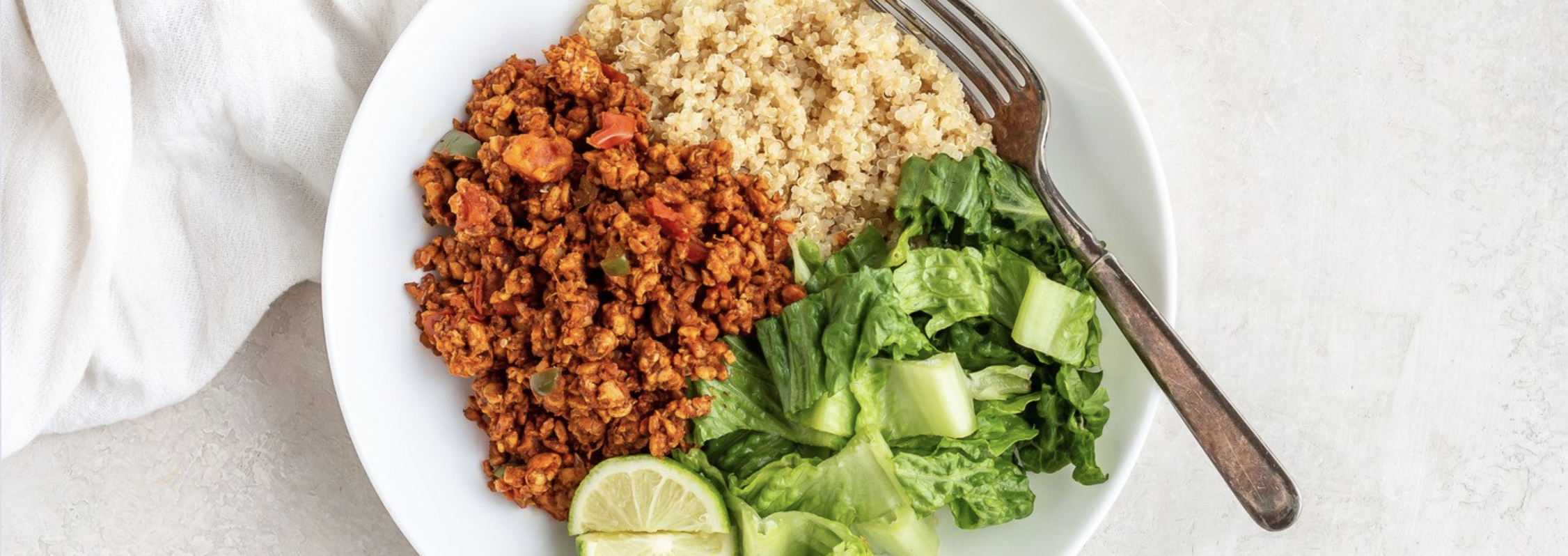
Crispy Tofu Meal Prep Bowls (one of my favorites)