
Read time: 5-10 minutes
A great way to reach your daily protein goal is to add supplements to your diet.
Many gym-goers use protein powder to beef up their protein as a quick post-workout shake.
You can also add protein powder to smoothies or cook with it to make things like protein pancakes or muffins. Some people even add it to their morning coffee!
There are a lot of options on the market, so how do you go about selecting the protein powder that’s right for you? In this post, we’ll look at the things you should consider when finding the right supplement. I’ll also provide links to suggested products.
*This post contains affiliate links. Purchases made after clicking on these links will in part support the author.
Types of Protein Powders
The first step to determining which protein powder to use is to ask yourself “how will I be using this protein powder?”
Meal Replacements
If you’re going to be using your protein shakes as a meal replacement, you may want to consider a supplement that not only has protein but also other macronutrients (carbs and fats), vitamins, and minerals. This type of protein powder will have higher calories per serving than straight protein powders.
Good examples of this are:
You can also get meal replacement supplements in the form of protein bars or protein cookies. Legion makes delicious protein bars and cookies that I love to keep in my gym bag:
Legion Natural Protein Bars (use code Jaydigains to get 20% off)
Legion Natural Protein Cookies (use code Jaydigains to get 20% off)
Protein Supplement
If your goal is simply to boost your overall protein intake, then you’ll want to stick to a protein powder that is some type of isolate or concentrate.
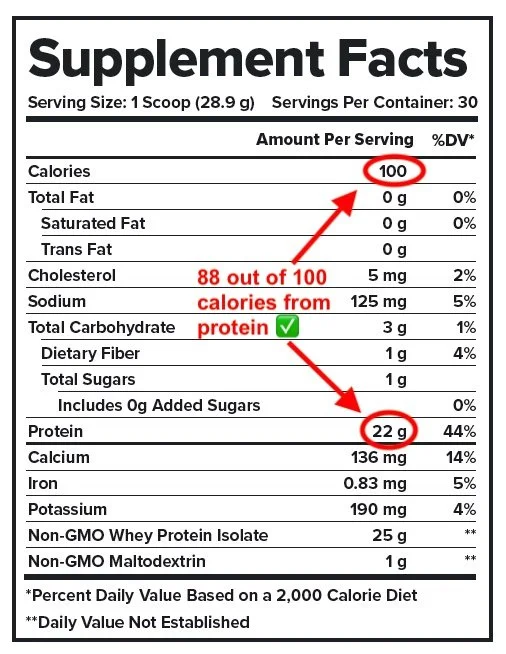
To get the most bang for your buck, take a look at the nutrition label and choose something with a ratio of at least 20:100 for grams of protein per serving to calories per serving. This means 80 of the 100 calories come from protein (1 gram of protein is 4 calories). A great example of this is Legion Athletic’s Whey+ Protein powder:
Dietary Needs
When selecting a protein powder supplement, you’ll also need to consider your personal dietary needs.
The most common type of protein powder is made from whey. Whey is a fast-digesting form of animal protein that's high in branched-chain amino acids (BCAAs), making it perfect for muscle recovery after a workout.
Whey protein powders come in all kinds of flavors (like chocolate, vanilla, and even fruit flavors).
If you are lactose intolerant, you’ll want to look for varieties of whey protein that are specifically labeled as “lactose free.” Some whey protein powders that I have used and liked are:
Isopure (lactose free)
Casein
Casein is another type of protein derived from milk. Casein is more slow-digesting, has higher levels of calcium, and has slightly more fat than whey–making it a great option for reducing appetite and increasing feelings of fullness. Many sources of casein protein are naturally lactose-free, making them suitable for people with dairy allergies or intolerances. Here are some good casein protein options:
Vegan Protein Powders
If you’re looking for a vegan or plant-based option, soy protein powder is a great choice. Soy protein powder (derived from soy beans) contains all the essential amino acids you need while being low in saturated fat. In the past, I’ve used Shaklee soy protein powders, which I found to be very tasty but a little pricey. Other options include:
If you have a soy allergy, there are still plenty of other plant-based protein powder options made from pea protein, hemp, or brown rice. Here are some brands that I or my clients have tried and recommend:
Supplements Can’t Replace Food Completely
While protein powder is an excellent way to supplement your diet, you should try as much as possible to reach your daily protein goal with real food (i.e., meat, poultry, fish, eggs, beans, etc). There are many things that real food provides our bodies that supplements cannot.
As a general rule of thumb, I like to restrict protein powder intake to no more than 2 servings per day.
Take a look at the options above, and let me know your thoughts if you try any. You can often find small sample sizes on the company websites if you just want to test one out.
This post is sponsored by:

Use my promo code Jaydigains to get 20% off any supplements purchase from Legion Athletics.