Read time: 6-8 minutes
I don’t know about you, but I have a MASSIVE sweet tooth. I love all things sweet–cookies, cake, candy–all of it!
However if you are trying to lose weight, having a sweet tooth can be a major obstacle. High-sugar foods are packed with calories, making it easy to overshoot your daily calorie goal if you eat them too much.
Keep in mind that sugar itself is not necessarily a bad thing. Sugar is a type of carbohydrate, which our bodies need to function and maintain energy. As you’ll recall from our discussion on macronutrients, the USDA recommends that between 45–65% percent of our daily calories come from carbohydrates.
The majority of the carbohydrates that you eat every day should come from natural sugars found in foods like fruits, vegetables, dairy, grains, nuts, and seeds.
Refined sugars, on the other hand, are things like table sugar and high-fructose corn syrup (HFCS), which should make up as little as possible of your daily carbohydrate intake. Eating too much sugar (especially refined sugar) can lead to weight gain, skin problems, and increased risk of medical conditions like type 2 diabetes.
I know it can be difficult to avoid refined sugars. They are often used to add flavor and bulk to many processed and packaged foods like cookies, cakes, crackers, and soft drinks. Even so-called “health foods” like granola bars often have added sugars. Refined sugars also can act as a preservative in foods like jams and jellies, and they’re also used in the fermentation process of foods like pickles and bread. For these reasons, I encourage my clients to reduce their intake of highly processed packaged foods and instead focus on making whole, fresh foods the majority of their diet.
Following the Healthy Plate model is a great way to ensure that the majority of your carb intake comes from fresh, whole foods.
What happens, though, when you have an intense craving for something sweet?
Intense cravings happen to everyone, and they can often be a sign that our bodies are not getting enough of one or more nutrients. For example, it’s very common to mistake your body’s signal for thirst as a craving for something sweet. So next time you get an intense craving, first ask yourself “Have I had enough water today?” Drink a glass of water and wait 10-20 minutes to see if you still want something sweet after that.
Intense sweet cravings can also happen when you aren’t eating enough protein. Eating protein can help to stabilize your blood sugar levels and keep you feeling “full” for longer periods of time. Many of my clients remark that their cravings for sugary snacks go away once they increase their protein intake. So instead of reaching for a sugary snack, why not eat a protein-packed snack?
Nutritious, Low-Calorie Sweets & Desserts
Another helpful way to deal with a sweet tooth is to satisfy your craving with foods that contain natural sugars and other nutrients that your body needs. Here are a few examples of healthy, low-calorie alternatives to satisfy your sweet tooth:
Fruit
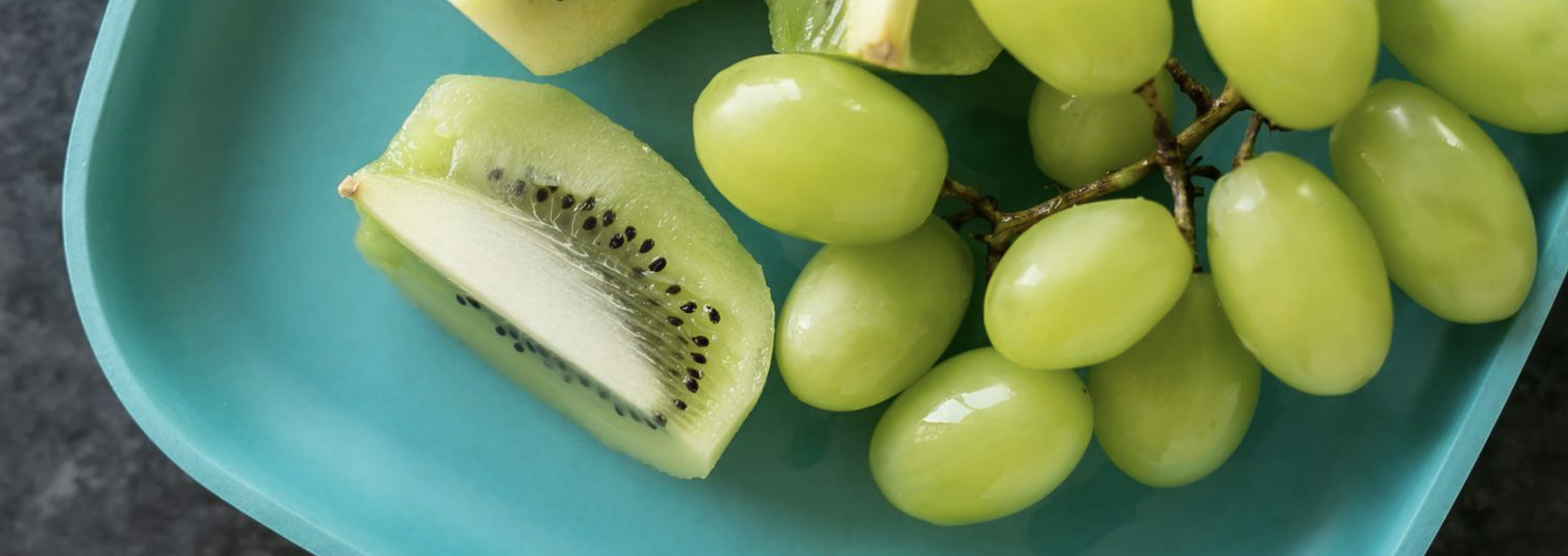
Have fruit by itself for a sweet snack or dessert, or you can have it as a side with nuts & cheese, dip, or add it to some yogurt or cottage cheese.
Frozen Yogurt & Sorbet
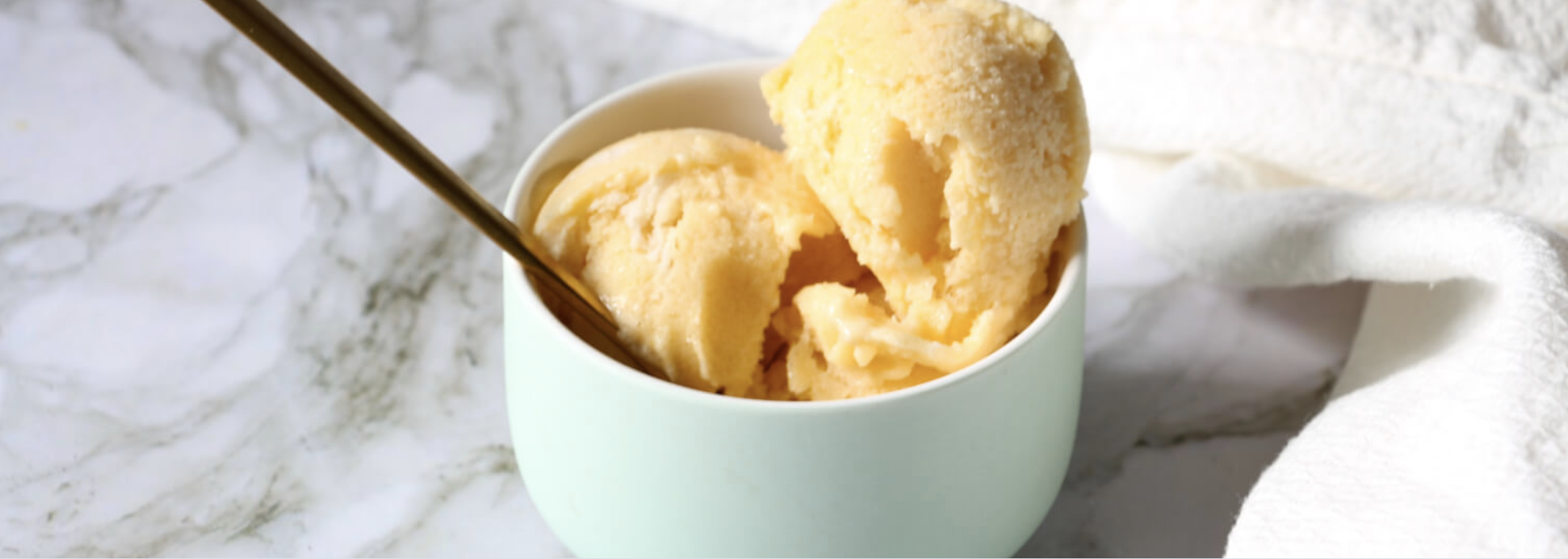
Frozen treats are a favorite for many of my clients. There’s just something super comforting about a cold bowl of ice cream, especially on a hot summer day. However commercial ice cream and popsicles are often loaded with refined sugars, sodium, and preservatives that aren’t good for you. So why not try one of these healthier alternatives that you can make at home:
Better-For-You Baked Goods

If you’re like me and just *have* to have your cookies and baked goods, check out these healthier home recipes that are less than 250 calories per serving. Not only are they low in refined sugar, but they also are made with other ingredients that nourish your body with other nutrients like dietary fiber, vitamins, and minerals:
Mini Bites
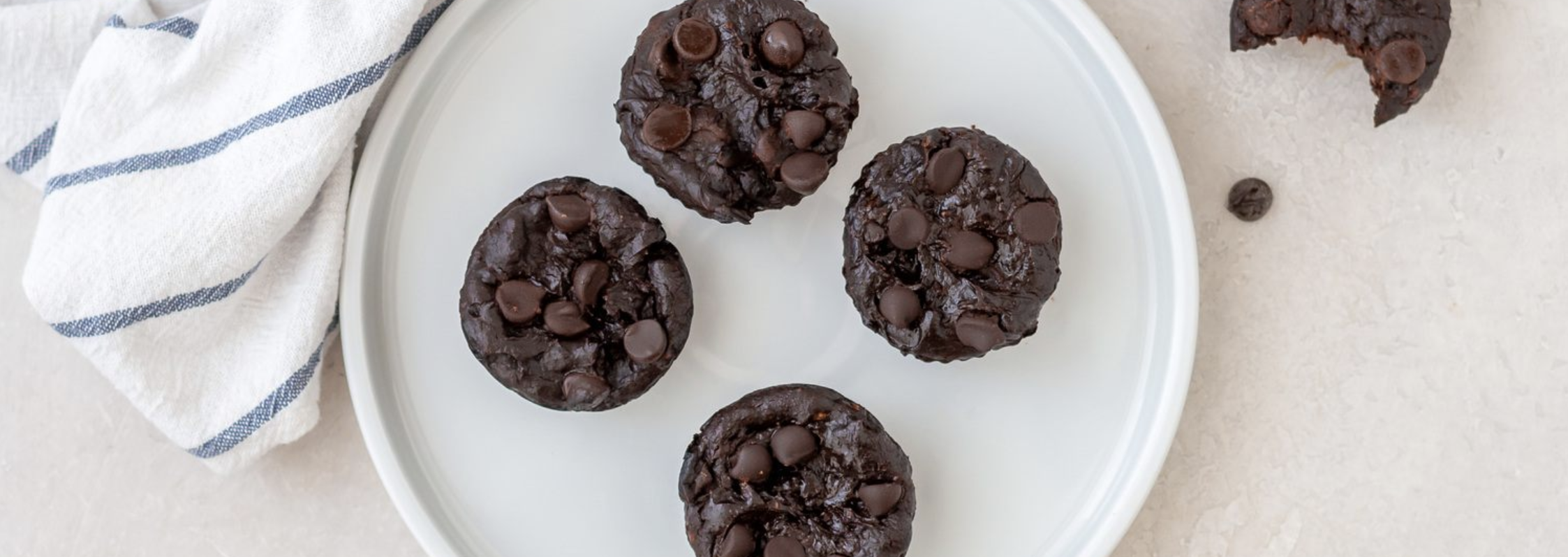
Mini bite recipes like the ones below pack a lot of flavor into a small serving. These flavor bombs will help to help satisfy your sweet tooth without sending you over your calorie goal:
Smoothies
Drinking smoothies is a great way to both satisfy your sweet tooth and hydrate your body. All you need is a food processor or blender as well as some fruit and liquid. Smoothies are a great alternative to sugary beverages like soda. Check out these example recipes:
Chia Pudding
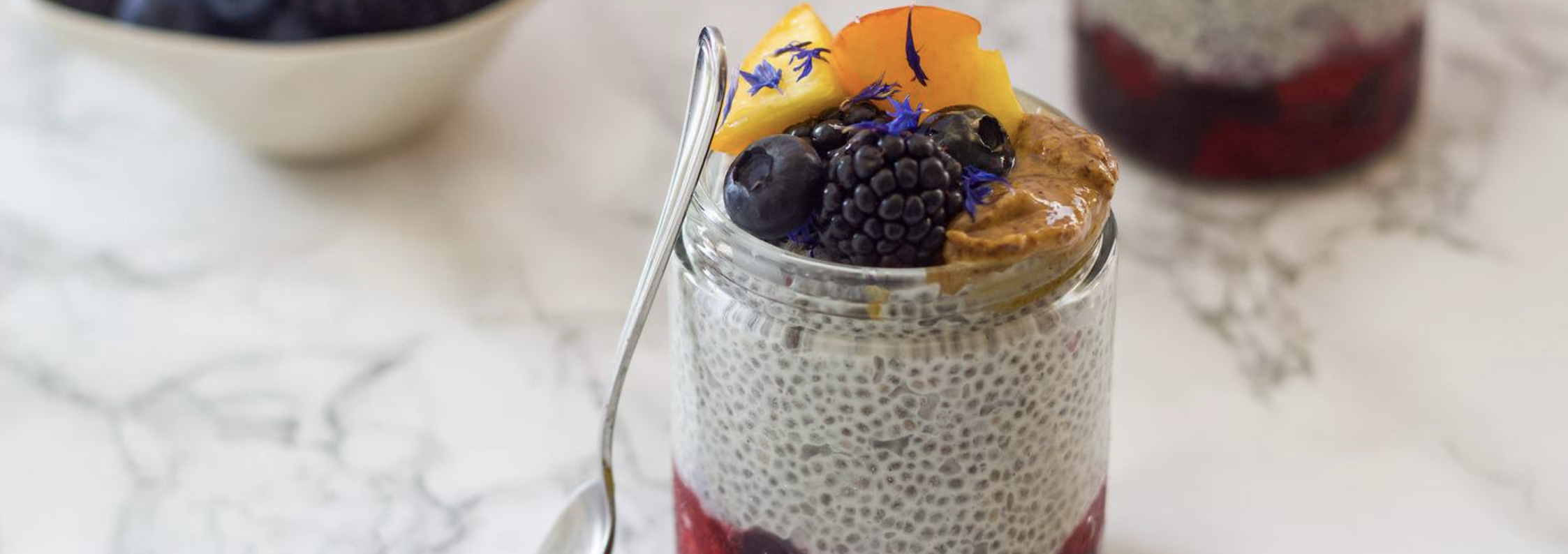
Chia pudding is a favorite in the health & wellness community as a healthy dessert or breakfast. It’s usually made by soaking chia seeds overnight with almond milk, which yields a texture similar to tapioca pudding–but much healthier! Chia seeds are loaded with omega-3 fatty acids, protein, antioxidants, and dietary fiber. Here are a few example recipes:
Zero-Calorie Sweeteners
Another great option is to substitute candy, cake, cookies, or sugary beverages with a zero-sugar alternative.
Zero-calorie sweeteners, also known as non-nutritive or artificial sweeteners, are synthetic sugar substitutes that provide sweetness without adding any significant calories to the diet. Examples include aspartame, saccharin, sucralose, and stevia. These sweeteners are many times sweeter than sugar, requiring only a fraction of the quantity to achieve the same level of sweetness.
One of the most common misconceptions about zero-calorie sweeteners is their alleged harmful effects on health. However, numerous scientific studies and regulatory authorities, such as the U.S. Food and Drug Administration (FDA), have consistently affirmed their safety for consumption. Extensive research has not found any definitive evidence linking zero-calorie sweeteners to cancer, neurological disorders, or other health concerns when consumed within acceptable daily intake levels.
The Bottom Line
The main take-away here is that when it comes to satisfying your sweet tooth–you’ve got lots of options! When you’re in the mood for something sweet, first make sure that you are hydrated and have had enough protein for the day. Stay away from added or refined sugars, and instead try nutritious, low-calorie alternatives like the recipes listed above. There’s nothing wrong with using zero-calorie sweeteners either. With these strategies and options at your disposal, you can strike a balance between enjoying sweetness and prioritizing your fat loss.