While losing weight in general can be a challenging process, belly fat can be especially stubborn and difficult to get rid of. In today’s message, we will discuss why belly fat is difficult to lose and I’ll provide some tips on how to get rid of it.

What is Belly Fat?
Visceral fat in the belly is made up of mainly white fat cells, which are our body’s main source of stored energy. White fat cells also play an important role in regulating hormones like estrogen, leptin (one of the hormones that stimulate hunger), insulin, cortisol (a stress hormone), and growth hormone.
A certain amount of belly fat is important for maintaining health. Visceral fat protects your organs and regulates your core temperature. When we have too much belly fat, however, this puts us at higher risk for diabetes, heart disease, stroke, artery disease, and some cancers.
One of the best ways to tell whether or not you have a healthy amount of belly fat is to measure the circumference of your waist and hips.
Using a tape measure, measure around your waist at the smallest point (usually around the belly button). Then measure around your hips at the widest point. Divide the number of inches or centimeters of your waist by the number of centimeters of your hips:
A healthy waist-to-hip ratio for women is 0.85 or less
A healthy waist-to-hip ratio for men is 0.9 or less [WHO]
How to Reduce Belly Fat
Let’s take a look at some ways you can work towards reducing your belly fat through diet & exercise.
1 Maintain a Calorie Deficit

The best way to tackle belly fat is to maintain a calorie deficit—meaning you eat fewer calories every day than what your body spends. This will help to keep your body in an overall fat-burning state, putting you in the best position to reduce belly fat.
To get into a calorie deficit, manage your calorie intake by tracking what you eat using a food journal or a calorie-tracking app like MyFitnessPal or Fitbit. You can also follow a meal plan built around your daily calorie-goal.
You can increase the number of calories every day by exercising. Staying active and doing cardio are great ways to get your body burning lots of calories. The American Heart Association recommends doing a total of between 150 and 300 minutes of moderate-intensity activity each week to maintain health. The more you move, the more calories you burn.
Doing resistance training between 2 and 4 times each week is another great way to boost your overall calorie burn and avoid hitting a fat loss plateau. Building and maintaining muscle are calorie-expensive processes for your body. When you frequently stimulate your muscles, you can ensure that your body stays burning calories—even on the days that you don’t work out.
2 Eat More Soluble Fiber
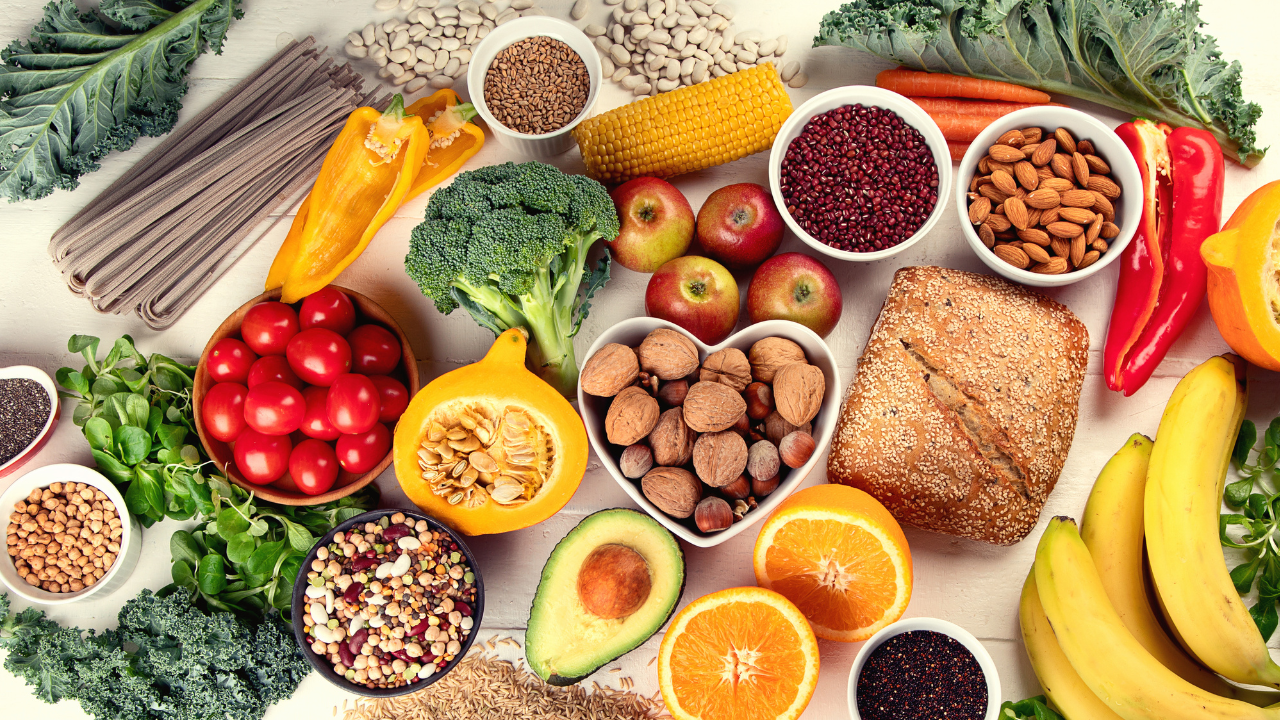
In addition to staying in a calorie deficit, you should also eat more soluble fiber. Dietary fiber not only keeps your digestive tract healthy, but it also plays a key role in breaking down visceral fat in the belly.
Eating a diet rich in fiber also promotes feelings of fullness, which can lead you to eat fewer calories overall. Fiber has also been shown to reduce inflammation in the body, which can contribute to belly fat.
Aim to consume at least 25 grams of fiber per day. Great sources of soluble fiber include:
Beans like black beans, lima beans, and kidney beans (between 3 and 5 grams per 3/4 cup)
Vegetables like Brussels sprouts, sweet potatoes, broccoli, turnips, and carrots (between 1.5 and 2 grams per 1/2 cup)
Fruits like avocados, pears, figs, nectarines, apricots, apples, and guavas (1-2 grams per serving)
Nuts & seeds like flax seeds, sunflower seeds, and hazelnuts (0.5-1 gram per serving)
Whole grains like oats and barley (1-2 grams per serving)
Fiber supplements can be helpful, however you should try to get the majority of your dietary fiber from real foods such as vegetables, fruits, and whole grains.
Gradually introduce fiber to your diet to slowly increase your body’s tolerance. Be careful not to increase your intake of fiber too drastically, as this can lead to digestive issues like cramping, bloating, and indigestion.
3 Reduce Alcohol

Another way to reduce belly fat is to decrease or eliminate your consumption of alcohol. When alcohol is in your system, your body pauses breaking down fat in order to prioritize metabolizing alcohol. Any time that your body has to spend metabolizing alcohol is time lost towards breaking down belly fat. If you drink a lot of alcohol, you also risk a build-up of fatty tissue around the liver (a condition called steatosis), which can damage your liver and lead to cirrhosis. Avoiding alcohol is one of the best ways that you can keep your body healthy and eliminate belly fat.
Bottom Line: 6-Packs are Overrated
After reaching your goal for fat loss, you may be disappointed to find that achieving a healthy body fat percentage doesn’t immediately result in you having a 6 pack. For most people, a certain amount of belly fat tends to stick around even after you’ve reached your goal weight. In fact,
The truth is: most healthy & fit people don’t have visible abs most of the time. Even competitive bodybuilders only have visible “washboard” abs when they’re at extremely low body fat percentages (usually right before a competition or show). Otherwise, at a healthy body fat percentage, most people can’t see every single crease of the abdominal muscles–and that’s okay!
So make sure to manage your expectations around belly fat, and note that you don’t have to have a 6-pack in order to be considered fit or healthy. Instead, keep an eye on your waist-to-hip measurements as well as your progress in the gym as true indicators of your health and fitness level.