You’ve probably heard about a popular eating pattern called the Keto diet. This low-carb high-fat diet has been used for centuries to treat people with medical conditions like diabetes and epilepsy. These days, many people swear by it as an effective diet for managing fat loss. Let’s take a look at exactly what the keto diet is and whether or not it may be right for you.
What is the Keto Diet?
The ketogenic or “keto” diet is an eating pattern with very low carbohydrate intake and high dietary fat intake. Many versions of the diet exist and there isn’t one standard with specific recommendations for how to split macronutrient intake.
Many variations of the diet recommend restricting carbohydrate intake to less than 50 grams per day (some versions can be as low as 20 grams per day). Popular versions of the keto diet suggest an average calorie intake of:
70-80% daily calories from dietary fat
5-10% daily calories from carbohydrates
10-20% daily calories from protein
Protein intake is kept moderate compared to other low-carb high-protein diets because protein can be converted to glucose and prevent ketosis.
One key feature of all ketogenic diets is that they ban carb-rich foods like breads, cereals, pasta, rice, and baked goods. Even vegetables like potatoes, corn, beans, and legumes as well as fruits and fruit juices are a no-go on the keto diet.
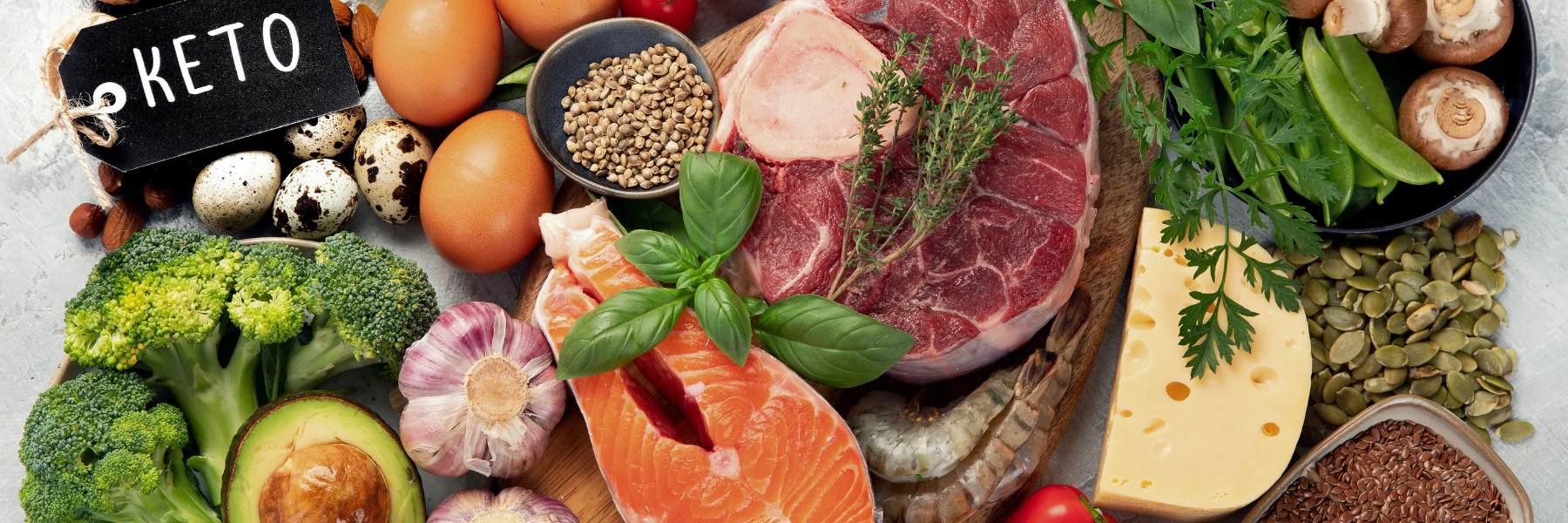
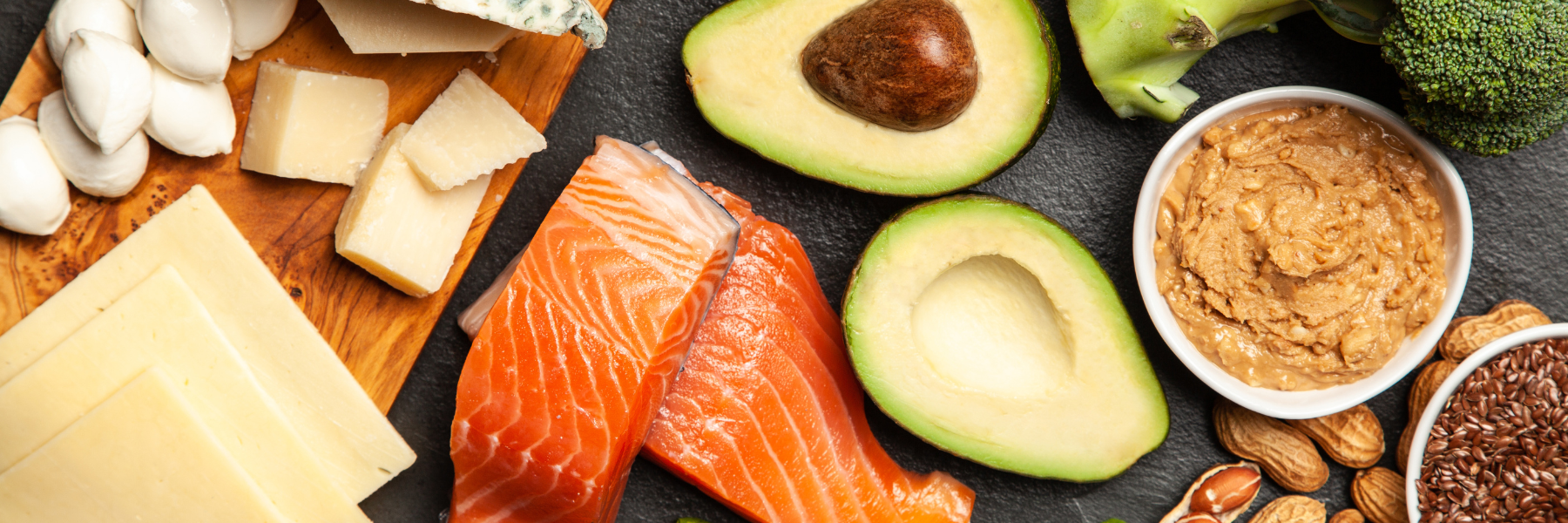
Most keto diet plans allow foods that are high in saturated fats like butter, lard, processed meats, fatty cuts of meat in addition to unsaturated fats like nuts, seeds, avocados, plant oils, and fatty fish.
During the 19th century, variations of the keto diet were prescribed for people with diabetes. In the 1920s, it began to be used for children with epilepsy for whom medication was ineffective.
Today, many people use the keto diet pattern to help them burn fat and lose weight. Studies show that the keto diet can be beneficial for individuals seeking to lose weight in the short-term. Along with weight loss, health parameters associated with excess body fat have been shown to improve on the keto diet (i.e., insulin resistance, high blood pressure, and elevated cholesterol and triglycerides). However the long-term effectiveness of the diet for fat loss is not yet well understood.[1, 2]
How the Keto Diet Works
The restriction of carbohydrates over a long period of time causes the body to switch from using glucose as a primary fuel for cellular function to ketones, which are produced from stored fat.
During periods of fasting or when very little carbohydrates are eaten, your body pulls stored glucose from your liver and breaks down muscle to release glucose. After about 3-4 days with no food or very little carbohydrate intake, the amount of insulin in your blood decreases and your body begins to use fat as its primary fuel. Your liver produces ketone bodies from fat, which are then used in the absence of glucose.
When ketone bodies accumulate in your blood, this is called ketosis. We all experience ketosis to a certain extent, regardless of whether we’re on the keto diet or not. For example, during periods of fasting (like when we’re sleeping) or during very strenuous activity or exercise, healthy individuals naturally experience mild ketosis.
Keto for Fat Loss
There are many theories regarding why the ketogenic diet promotes weight loss, although research has yet to consistently confirm them. On the one hand, the keto diet may help to suppress appetite and decrease food cravings and overall caloric intake:
The high-fat content of the diet may have a satiating effect, which decreases food cravings and overall caloric intake.
The restriction of carbohydrates may restrict the release of appetite-stimulating hormones (insulin and ghrelin), which can also decrease food cravings and total intake.
Ketone bodies may also have a hunger-reducing effect.
The keto diet may also increase calorie expenditure via the metabolic effect of converting fat to ketone bodies and protein to glucose.
Things to Consider
How quickly ketosis happens and the amount of ketone bodies that accumulate in the blood varies from person to person and according to many different factors (like body fat percentage and resting metabolic rate).
Many people struggle to maintain a keto diet in the long run, especially during the initial stage when the symptoms of extreme carbohydrate restriction like hunger, fatigue, irritability, indigestion, constipation, headaches, and brain fog can last for multiple days or even weeks. Even after these symptoms subside, many people find it difficult to be satisfied with the limited variety of foods allowed.
There may also be some negative side effects of being on a keto diet in the long-term. For example, possible nutrient deficiencies can develop if a variety of recommended foods are not included in the keto diet. Increased risk of kidney stones and osteoporosis as well as increased levels of uric acid in the blood (a risk factor for gout) have also been suggested for long-term adherence to the keto diet.
Variations of the keto diet that emphasize foods high in saturated fat may also have a negative impact on blood cholesterol levels and heart health, contrary to the recommendations from the Dietary Guidelines for Americans and the American Heart Association (which recommend reducing saturated fat intake). These negative health effects can be mitigated by focusing on foods low in saturated fats such as olive oil, avocado, nuts, seeds, and fatty fish.
People who are fasting or following a ketogenic diet must be careful to avoid allowing blood levels of ketones to reach a harmful level–a state called “ketoacidosis.” During ketoacidosis, the kidneys start to excrete ketone bodies along with water in the urine, causing fluid-related weight loss. If left untreated, ketoacidosis can lead to symptoms like muscle stiffness or aches, stomach pain, fatigue, headache, nausea, vomiting, and even death.
The Bottom Line
The keto diet may be a viable option if you have had difficulty losing weight with other methods. Because of the extreme requirements of this diet and its difficulty to maintain, however, I don’t usually recommend this diet for people unless they have already tried following the healthy plate model, increased their protein intake, reduced calorie intake, and reverse dieted (if necessary).
If you think the keto diet might be right for you, make sure to first consult with your healthcare provider and a registered dietitian. After starting the diet, continue to consult with your healthcare provider and/or dietitian to monitor any biochemical changes and tailor a diet plan according to your existing health conditions and prevent nutritional deficiencies and/or other complications.
Programs suggest continuing to follow the keto diet until you have reached your desired amount of weight loss. After this point, experts recommend continuing to follow the diet for a few days a week or a few weeks each month to help prevent weight gain. Make sure to re-introduce carbohydrates under the guidance of a dietitian.[3]
References
[1] Paoli A. Ketogenic diet for obesity: friend or foe?. Int J Environ Res Public Health. 2014 Feb 19;11(2):2092-107.
[2] Schwingshackl L, Hoffmann G. Comparison of effects of long-term low-fat vs high-fat diets on blood lipid levels in overweight or obese patients: a systematic review and meta-analysis. J Acad Nutr Diet. 2013 Dec 1;113(12):1640-61.
[3] Diet Review: Ketogenic Diet for Weight Loss. https://www.hsph.harvard.edu/nutritionsource/healthy-weight/diet-reviews/ketogenic-diet/