
Episode 9: How to Combat Body Dysmorphia
Check out these tips if you’re struggling with body dysmorphia after losing weight.
Check out these tips if you’re struggling with body dysmorphia after losing weight.
One of the first things to happen when you stop eating a calorie deficit is that you begin to lose muscle definition. This can send some folks into a panic. They begin to think: “Oh no! I’m going to lose my gains and end up exactly where I started!”
If you’ve experienced that yourself, then make sure to give this episode a listen or watch it on Youtube.
Body dysmorphia is an obsessive preoccupation with perceived flaws in your appearance and body image. It makes it difficult to see your own body accurately since you focus on what you perceive to be flaws or defects.
People who have lost fat often experience body dysmorphia in the form of perceiving themselves as overweight or “fat,” even when they are within a healthy body fat percentage. They often struggle to see their own progress and are very sensitive to the normal, healthy fluctuations of body weight and size. Any slight change in their weight or waist size can send them into a panic or depressive state.
Hyper-focusing on the shape of your body or weight can negatively impact your motivation to keep going in your fitness journey—especially when it comes time to build muscle.
In this podcast episode, I talk about the importance of doing the inner work to develop a healthy relationship with yourself and your body to help combat body dysmorphia. Seeing a licensed therapist, journaling, and practicing mindfulness meditation are all great ways to develop a better connection with one’s self.
I also suggest focusing on celebrating your gains and the positive changes you’re making in your life to combat the inner critic. Use a journal or the ABC Trainerize app (if you’re subscribed to one of my workout programs below) to track your workout progress, stay disciplined, and identify obstacles.
-Jayd
ABOUT JAYD HARRISON
Jayd Harrison (Jaydigains) is a personal trainer and content creator. She helps people to build muscle, burn fat, and clean up their diets with her online coaching programs and social media content. Check out some of Jayd’s coaching videos on Youtube, or join Jayd live on Twitch and follow on social media:

Sign up for updates ✉️
Sign up to get notified whenever new episodes drop. Opt in for more tips on training, fat loss, and nutrition by filling out the form below:
Your privacy is important to me! I will never share your information with any third party. Unsubscribe from the email list at any time.
Episode 8: Tips for Staying Consistent
In this short episode, I give 3 main tips for building that consistency. When it comes to reaching your fitness goals, staying consistent over a long time is crucial!
In this short episode, I give 3 main tips for building that consistency.
When it comes to reaching your fitness goals, staying consistent over a long time is one of the most important things.
Quick-fix diets and intense workout plans might get you fast results--but these results rarely stick in the long term for most people.
If you want to burn fat and keep it off for good, you need to change your lifestyle to something you can sustain over the course of many weeks, months, and years.
First, I suggest that you get on a schedule. I'm a big fan of time blocking. Each week, I use an appointment calendar to block out my time for my workouts, personal training sessions, and other work. This helps me to stay organized by ensuring that I'm setting time aside for my workouts.
In addition to getting on a regular schedule, I also recommend getting onto an actual training program. Many people just show up to the gym without a plan and wonder why they never seem to make progress. Getting on a training plan will ensure that your workouts are the most effective for pushing you toward your goals. Check out my programs for beginners listed below!
If you struggle to stick to a schedule and training plan, I also recommend working with a personal trainer. Meeting with a personal trainer every week has helped many of my clients to stay consistent and make consistent gains. Look for a trainer at your local gym or check out my online personal training program.
Programs for Beginners
Check out my collection of DIY programs for building beginner strength, delivered via the ABC Trainerize app. DIY programs are $27 monthly, cancel at any time.
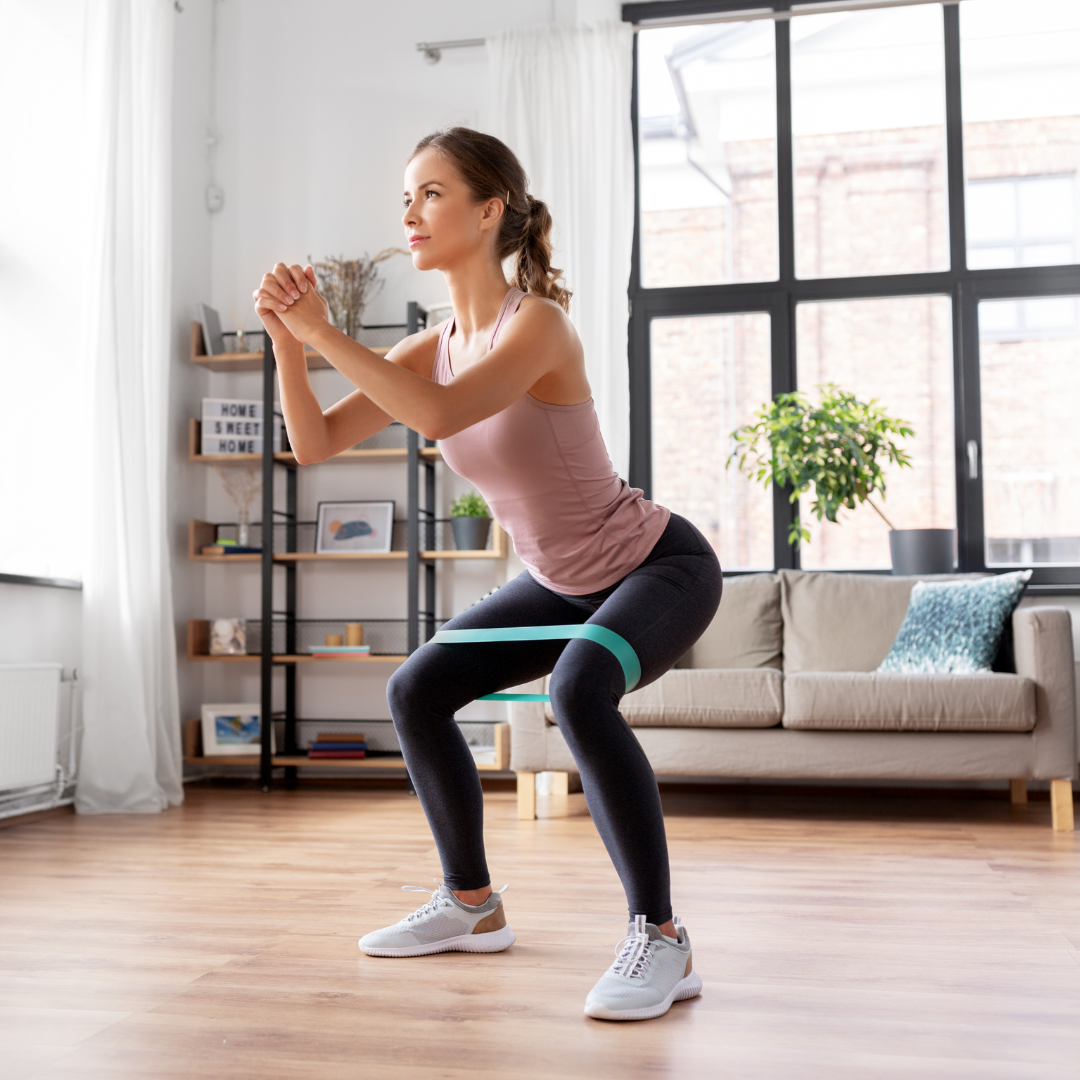
Beginner Body Sculpt Foundations (Bands)

Beginner Body Sculpt Foundations (Weight Training)
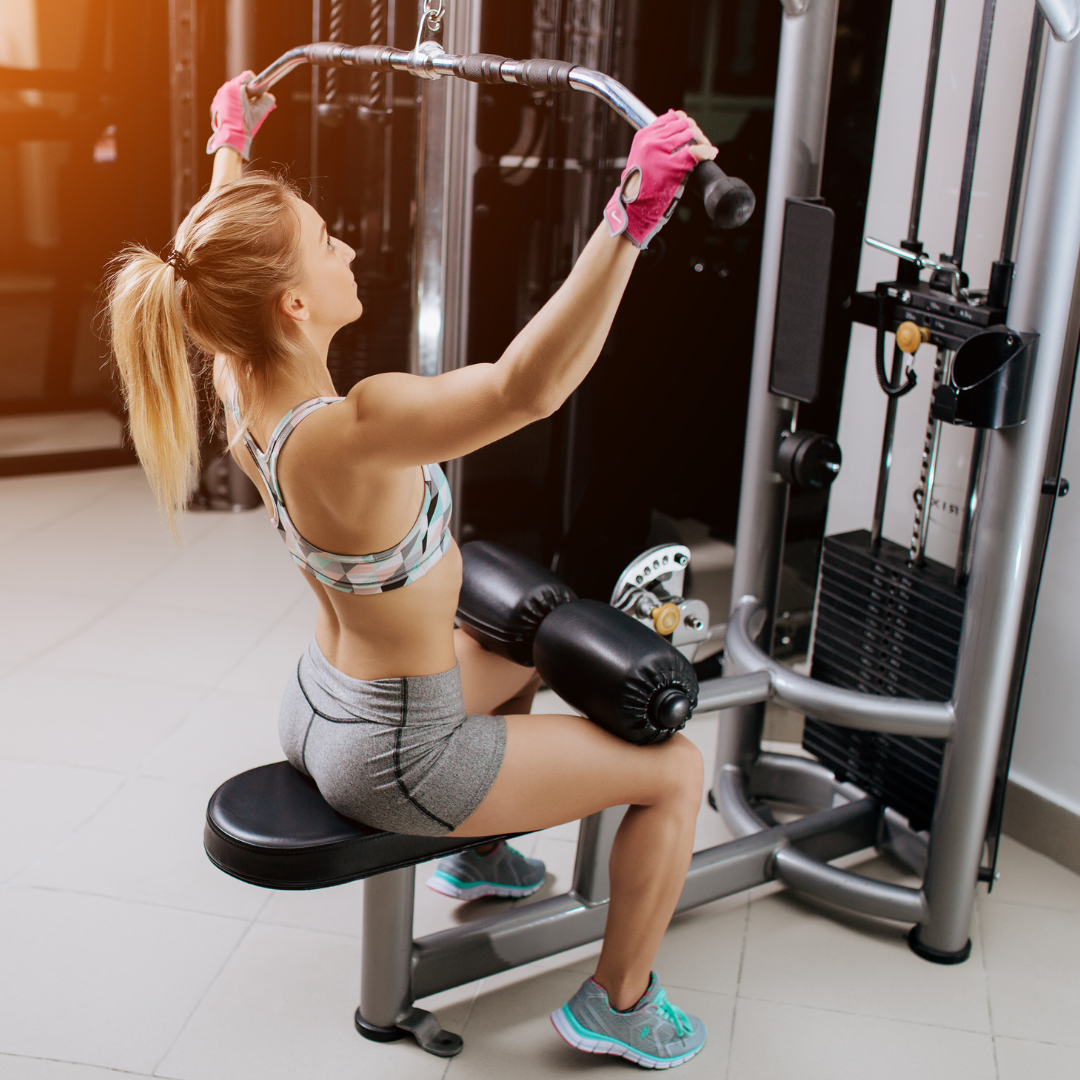
Beginner Body Sculpt Foundations (Full Gym)
ABOUT JAYD HARRISON
Jayd Harrison (Jaydigains) is a personal trainer and content creator. She helps people to build muscle, burn fat, and clean up their diets with her online coaching programs and social media content. Check out some of Jayd’s coaching videos on Youtube, or join Jayd live on Twitch and follow on social media:
Sign up for updates ✉️
Sign up to get notified whenever new episodes drop. Opt in for more tips on training, fat loss, and nutrition by filling out the form below:
Your privacy is important to me! I will never share your information with any third party. Unsubscribe from the email list at any time.
Episode 7: Tips for Building a Home Gym
Build your home gym one step at a time with my equipment suggestions. Start with resistance bands and progress to weights over time.
Build your home gym one step at a time with my equipment suggestions. Start with resistance bands and progress to weights over time.
I don’t know about you, but I’m not a big fan of big-box gyms. They seem to often be crowded and noisy—whereas I prefer to work out on my own in a quiet space. For this reason, a few years ago I turned my living room into a home gym and filled it with the equipment that I love to use in my workouts.
In this podcast episode, I give tips to help you build your own home gym as a beginner. You don’t have to go all-out like me and get a squat rack, barbell, weights, and cardio equipment immediately. In the beginning of your fitness journey, you can start building strength at home with relatively inexpensive equipment that doesn’t take as much space. Check out the episode and equipment list below!
Resistance Bands
The first thing I recommend you get for your home gym is resistance bands. These are relatively inexpensive and don’t take up much space.
if you don’t have much space available in your home, bands are a great option. You can just store them away in a drawer when you’re not using them—so you don’t need a dedicated “gym” room or area in your home.
Bands are also a great option if you’re a beginner to fitness. They provide a relatively safe way to learn resistance training exercise technique while building foundational strength.
Intermediate and advanced exercisers can also benefit from using bands—especially for muscle-building and strength accessory exercises.
There are 3 main types of resistance bands I recommend you stock up on: mini bands, tube bands, and superbands.
Mini Bands (Loop Bands)
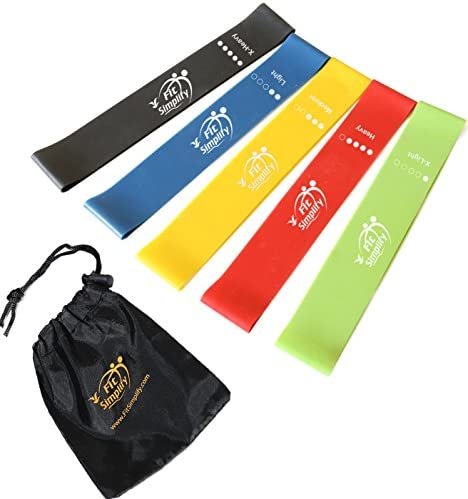
These small, loop-shaped bands are great for exercises like monster walks, banded squats, and my favorite rear delt exercise—the single-arm high row.
I recommend getting a set that is graded for different resistance levels so that you can track your progress over time. Personally, I almost always recommend the Fit Simplify 5-pack of mini bands to start with. These bands are rated for different resistance levels, which allows you to better track your progress as you get stronger.
Tube Bands (Handle Bands)

Tube bands are great for many upper-body exercises. You can anchor the band to a door or hook in the wall for exercises like lat rows, chest presses, and pull-downs.
There are many brands and varieties of tube bands, however I recommend getting a set that is graded for different resistance levels. For instance, the set that I use is labeled from lightest to heaviest according to weight equivalence (10lb, 20lb, 30lb, etc). This will allow you to track your progress as you get stronger as over time you’ll need to use heavier bands.
Superbands (Monster Bands)
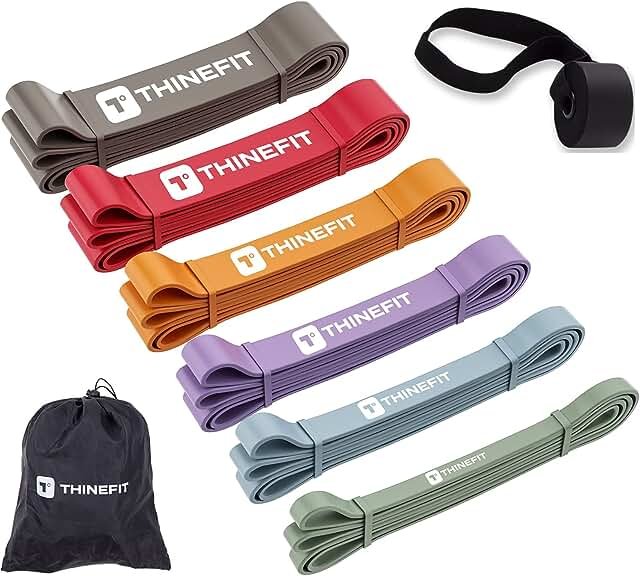
Superbands are long loop-shaped bands that are great for a variety of exercises like kickbacks, good mornings, deadlifts, and mobility exercises. You can also use them as support for pullups and other hanging exercises.
As with the other bands, I recommend getting a variety set of superbands that are rated for different levels of resistance. Some exercises you’ll need lighter bands whereas others will require heavier bands.
Floor Mats
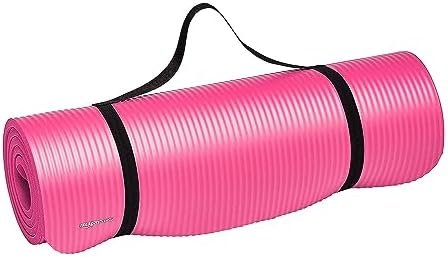
Another great piece of equipment to include in your beginning home gym is an exercise mat. I recommend getting two types of exercise mats. First, you should have one that is thick and squishy to give some cushion to your body while doing exercises on the floor like crunches, bridges, and planks. Second, you should also have a thinner yoga mat that will provide some grip to your hands and feet—especially if you plan to do standing balancing exercises or work out barefoot.

Dumbbells
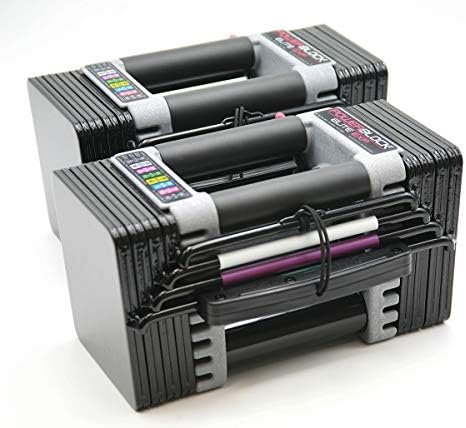
Dumbbells are my go-to recommendation for beginners to weight training. These handheld weights allow you to perform various exercises for your upper body and lower body, like dumbbell chest presses, rows, lateral raises, goblet squats, Romanian deadlifts, and weighted lunges.
For many exercisers, dumbbells are a staple equipment item that allows you to target different muscle groups for bodybuilding and strength accessories effectively.
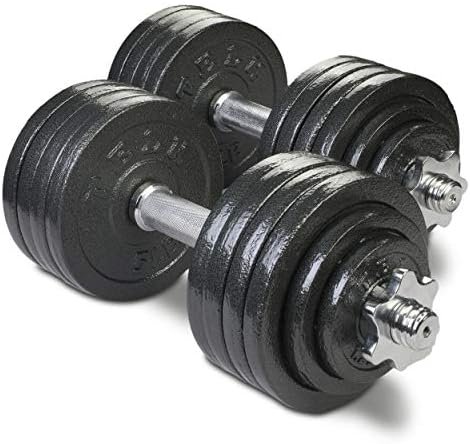
I suggest starting your home gym with an adjustable set of dumbbells like power blocks or spin-lock weights. These don’t take up much room and will allow you to progressively overload your muscles with heavier weight over time.
Personally, I use spin-lock dumbbells, but I also have several clients who use some variation of powerblocks. The spin-lock weights are a little more time-consuming to adjust, but they do tend to be more solid than powerblocks.
Bench

It’s also a good idea to invest in a sturdy, adjustable bench. This allows you to perform exercises like chest presses, chest flys, and box squats.
I always recommend that my clients get a bench for their home gym that can lay flat or go into an incline or decline. This will give you more options for variations of exercises that will allow you to target different muscle groups.
Barbells & Plates
As you get more into intermediate and advanced training, having a good-quality barbell will be important for making gains in your home gym. The bands and dumbbells alone should provide enough resistance for you as a beginner to build muscle and get stronger for the first 3-6 months.
Eventually though, you’ll need more resistance to keep your muscles challenged. Barbells like the one featured below allow you to add significantly more weight to exercises by adding plates to the bar. You can use the barbell for exercises like barbell deadlifts, back squats, and bench press.
When you’re ready to get a bar, I recommend investing in a few sets of barbell plates as well. Start with 2 of each: 2.5lb, 5lb, 10lb, 25lb, and 45lb plates. This will allow you to progressively overload your exercises by adding more weight to your exercises up to 220lb total.
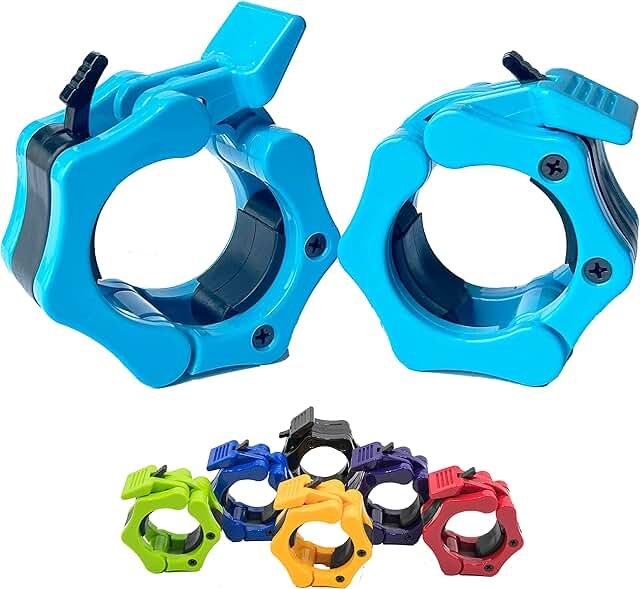
Make sure to also invest in a set of plate collars (also called locks or clamps). These secure the plates onto the barbell to keep your lifts safe and sturdy. I use a variety of collars, including plastic clip-ons as well as stainless steel weighted ones.


Squat Rack/Power Rack
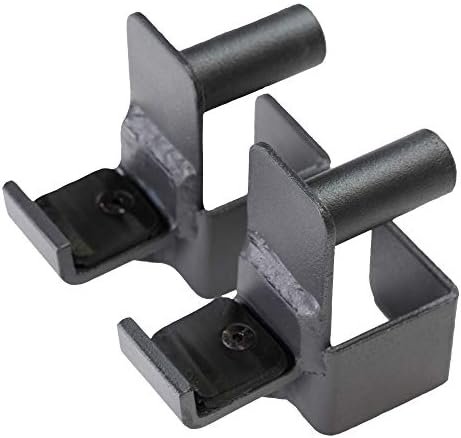
Some barbell exercises (like squats and bench press) are much easier to do if you have a squat rack or power rack to hold the weight between sets. The Fitness Reality squat rack is a surprisingly inexpensive and good-quality rack that can be ordered from Amazon. Make sure to also get a set of J Hooks to hold the weight between your sets.

ABOUT JAYD HARRISON
Jayd Harrison (Jaydigains) is a personal trainer and content creator. She helps people to build muscle, burn fat, and clean up their diets with her online coaching programs and social media content. Check out some of Jayd’s coaching videos on Youtube, or join Jayd live on Twitch and follow on social media:
Sign up for updates ✉️
Sign up to get notified whenever new episodes drop. Opt in for more tips on training, fat loss, and nutrition by filling out the form below:
Your privacy is important to me! I will never share your information with any third party. Unsubscribe from the email list at any time.
Episode 4: How to Stay in Shape When Life Gets Busy
When our schedules get hectic and disrupt our regular routines, fitness and nutrition often take a back seat. During these times, it's easy to fall into the trap of self-criticism, which only makes it harder to get back on track. For several years, I've been guiding my clients in breaking free from this cycle through a strategy I've named the MVP, which stands for the Minimally Viable Plan.
Struggling in an on-again, off-again relationship with fitness? You’re not alone!
It’s difficult for many people to make consistent gains, thanks to the demands of everyday life.
Whenever life gets busy and disrupts our normal routines, fitness & nutrition are the first things to go out the window. When this happens, it can be tempting to get stuck on the self-shaming cycle—which only makes it more difficult to start up again.
For several years, I have helped my clients break out of this cycle with a concept I call the MVP: the Minimally Viable Plan (MVP).
The MVP is your bare minimum, “nothing but the basics” plan for exercise and nutrition that you fall back on when you’re struggling to keep up with your normal plan. In this episode, I go over the importance of having an MVP for your fitness and how to create your own MVP.
In general, your personal MVP just needs to hit the basic requirements for health & fitness:
Follow the Healthy Plate Model
Hit a Daily Movement Goal
Total Body Resistance & Mobility Training 2x per week
The MVP allows you to scale down your nutrition and exercise plan to something simpler and more manageable. It allows you to keep some momentum going in your fitness journey and avoid a full stop. This, in turn, will make it much easier to scale your efforts back up when you have the availability in the future.
This episode was recorded during a group coaching call with my clients. Group coaching calls happen in my Coaching Corner Discord server on the 4th Sunday every month at 4:00pm EST. You can attend the group coaching calls by subscribing as a Supporter+ in the Discord or as a Tier 3 subscriber on Twitch. Personal Training Clients and DIY training program subscribers are also free to attend!
Sign up for updates ✉️
Sign up to get notified whenever new episodes drop. Opt in for more tips on training, fat loss, and nutrition by filling out the form below:
Your privacy is important to me! I will never share your information with any third party. Unsubscribe from the email list at any time.